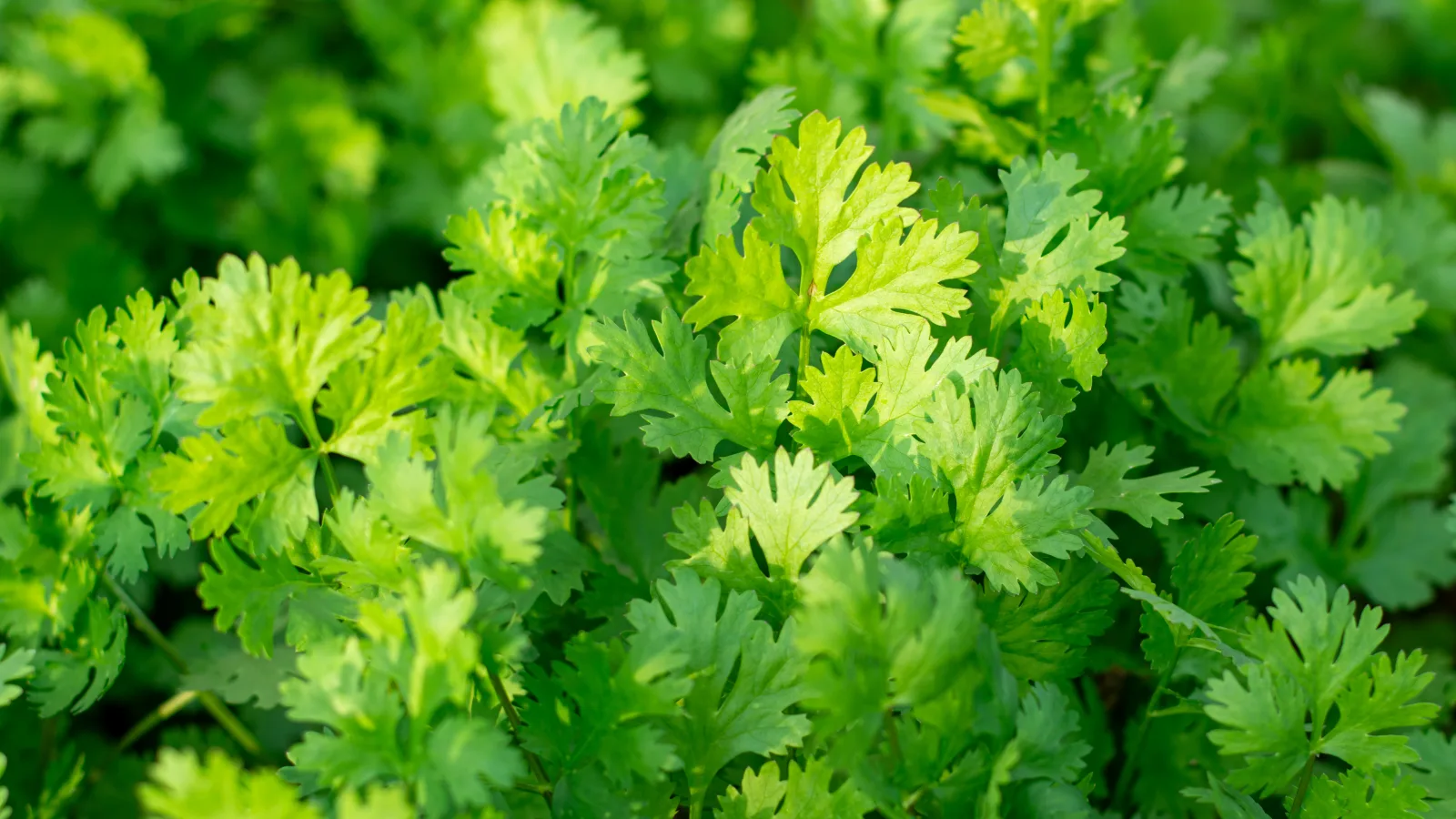
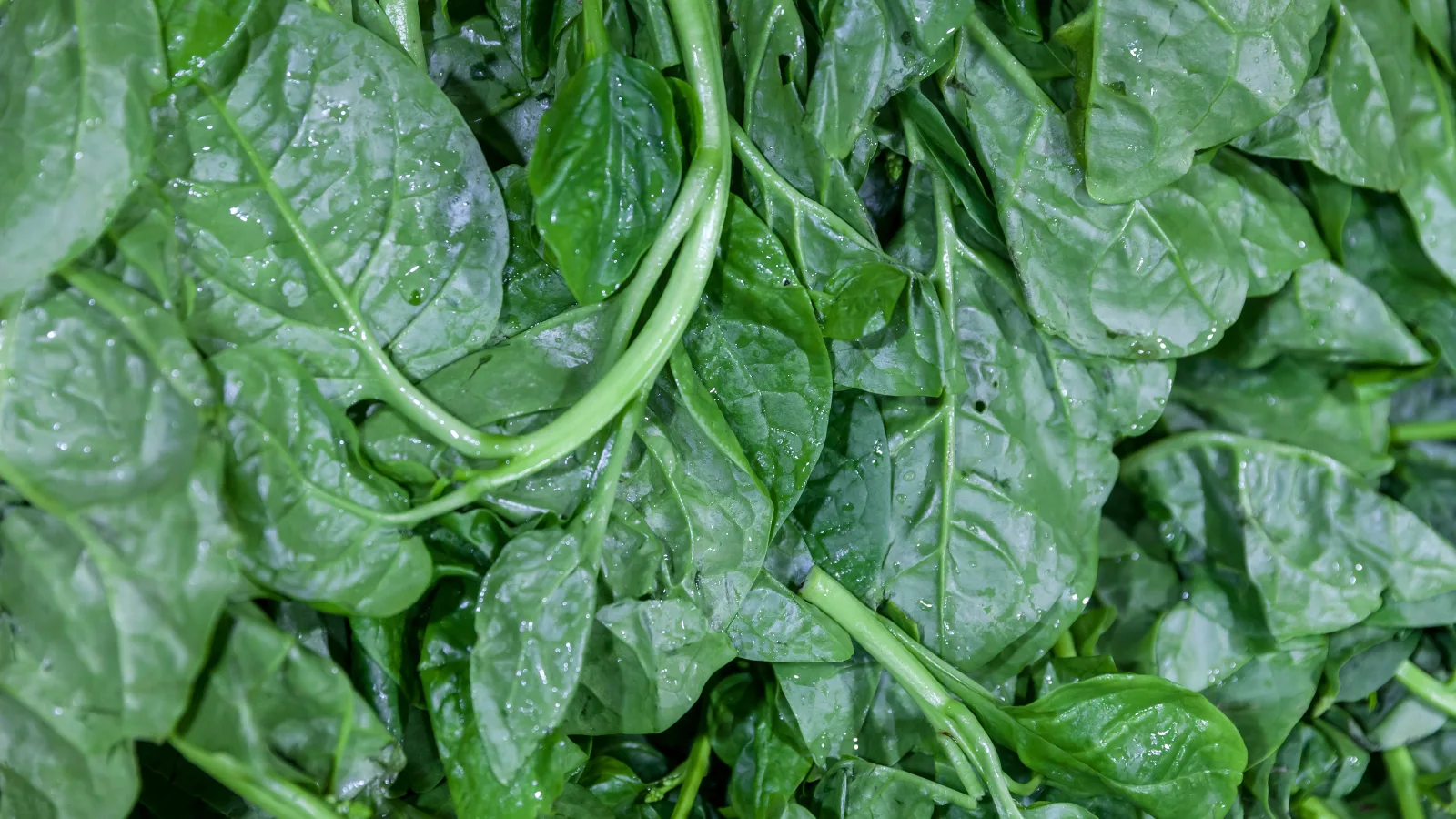
There's a leafy green that climbs right up its trellis in the summer garden: Malabar spinach (Basella alba). Native to India and Southeast Asia, it's known for thick, glossy leaves. In Korea it has long gone by the name nakgyu, and the leaves have traditionally been boiled and served as a seasoned side dish or dropped into soup. When the heat leaves most greens wilting, this one keeps producing—which makes it a summer garden staple worth having.
A recent study analyzed the leaves, berries, and stems of this plant separately. Even within a single plant, the mix of compounds varies from part to part—and so does what each part can do for you.
Polyphenols and Flavonoids Vary by Part
Polyphenols and flavonoids are compounds a plant makes to protect itself from oxidative stress. When we eat them, they're understood to help reduce oxidation in our own cells.
The analysis found that both compounds were highest in the berries, followed by the leaves, and lowest in the stems. Looking at polyphenols alone, the berries measured about 1.7 times higher than the leaves. For flavonoids, the gap between berries and leaves was small, but the stems fell well below both. By the measure of polyphenols and flavonoids, then, the berries and leaves are the richer parts, and the stems the leanest.
The Berries Stand Out for Antioxidant Activity
In tests measuring antioxidant strength, the berry extract delivered the same effect at a lower concentration than the leaves or stems—because the polyphenols and flavonoids are so concentrated there.
The compound analysis identified 3-methylquinoline as one of the berry's key substances. In molecular binding experiments, it showed a strong affinity for an oxidizing enzyme. That said, these are test-tube results. Confirming that it works the same way in people would take further research.
The berries of Malabar spinach turn a deep purplish-red. They're easy to walk right past in the garden, but in terms of their compounds, they hold their own against the leaves. Try gathering the ripe berries to make jam, or steeping them in water to use.
The Blood-Sugar Compounds Gather in the Leaves
In tests of blood-sugar-related enzyme inhibition, it was the leaf extract that came out ahead. When researchers measured the ability to inhibit alpha-amylase and alpha-glucosidase—the enzymes that break down carbohydrates—the leaves produced the same inhibitory effect at a lower concentration than the berries or stems.
These two enzymes break carbohydrates down into glucose in the small intestine. When their activity drops, sugar is absorbed more slowly, which can take some of the edge off the sharp rise in blood sugar after a meal. The compound analysis showed that a naphthimidazole-class substance in the leaves bound strongly to both enzymes.
These, too, are test-tube results. It's a stretch to say that eating the leaves will regulate your blood sugar on the spot. What the study does suggest is that there may be a basis for the long tradition, in India and elsewhere, of using this vegetable as a supplementary food for diabetes.
Make the Most of Each Part
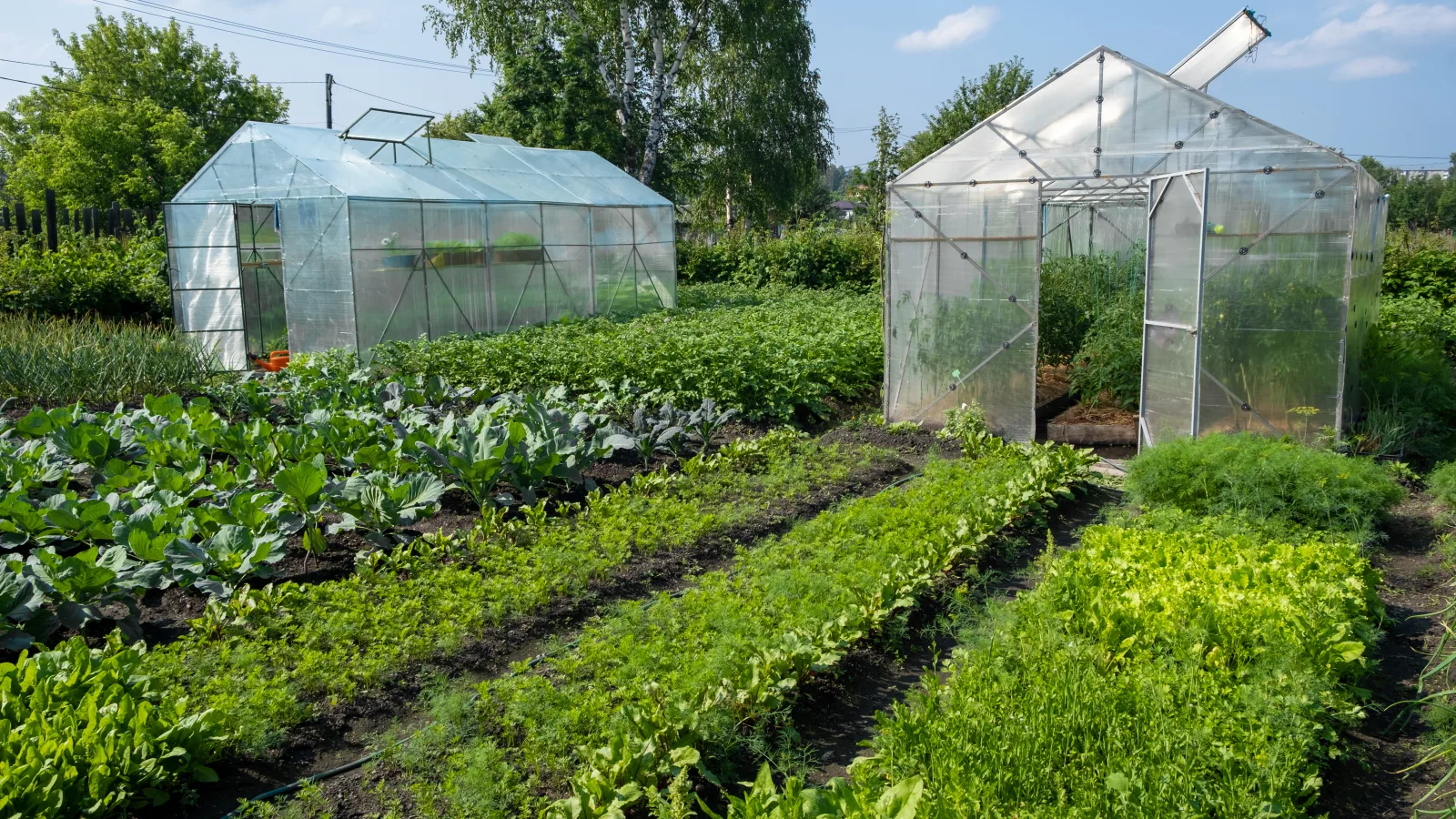
Malabar spinach thrives as the temperature climbs. Since it sends out vines, just give it a trellis to climb. The leaves can be boiled or stir-fried, and when added to soup, their mucilaginous quality lends a slightly thickened texture.
- Leaves: Serve them often—as a seasoned side, a stir-fry, or in doenjang (fermented soybean paste) soup. This is where the blood-sugar compounds are richest.
- Berries: Harvest them once they ripen to a deep purplish-red, and try them in jam or pressed for juice. This is where the polyphenols and flavonoids concentrate.
- Stems: Lower in compounds, but the young stems are tender enough to cook right along with the rest.
If eating the parts separately feels like too much to manage, just start by putting the leaves on the table all summer long.
Reference | Food Science & Nutrition, "A Study on the Bioactive Compounds and Antioxidant and Blood-Sugar-Regulating Properties of Malabar Spinach," 2024