A Single Yam, Dug from the Corner of the Garden
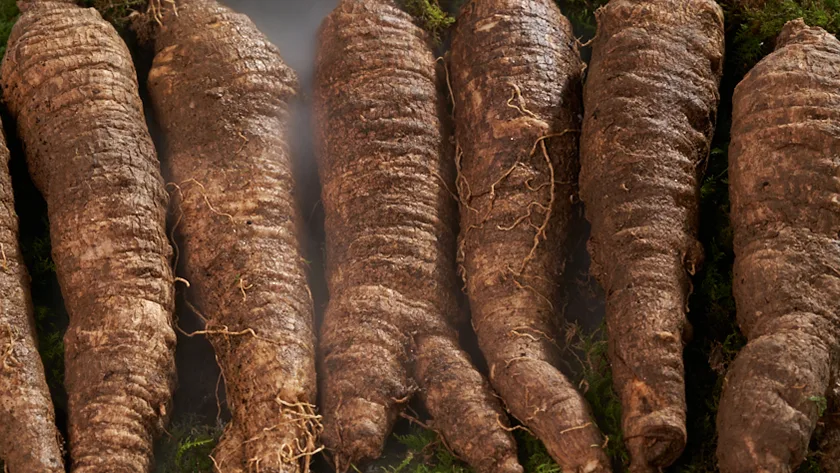
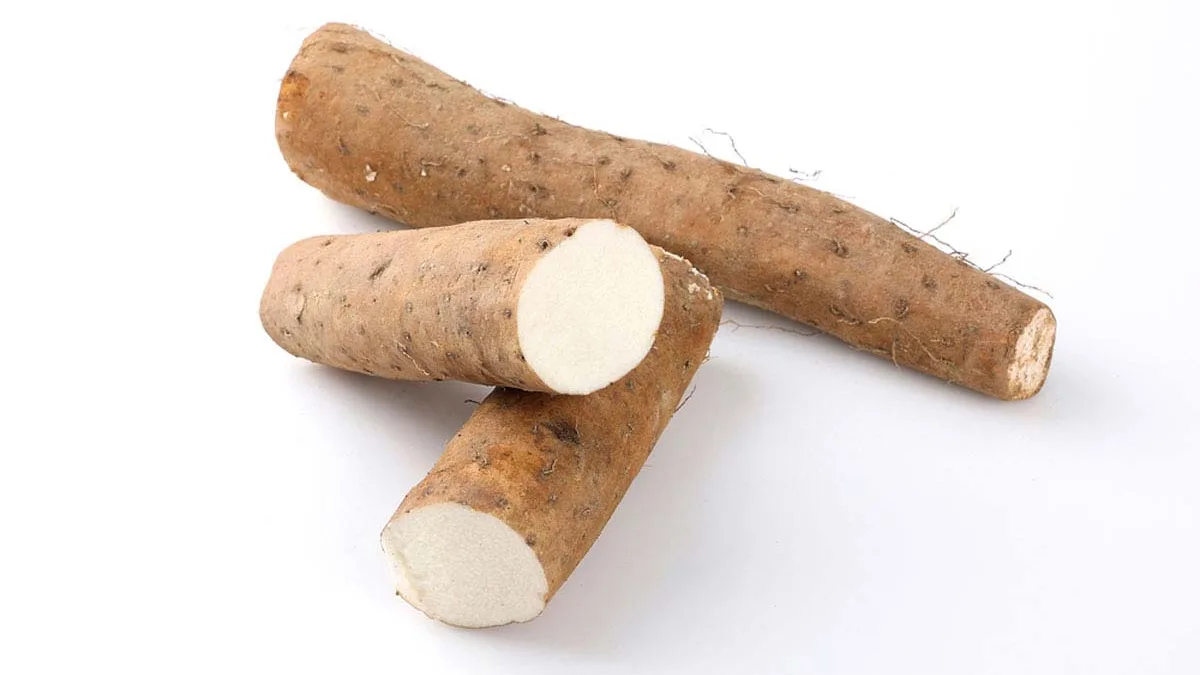
Homi, if you go poking carefully through the garden soil come autumn, there's a good chance you'll turn up a long, slender yam root. It burrows so deep that digging one out is real work for the hands, but once you brush off the dirt and slice into it, a sticky sap clings to your fingertips. That stickiness is the very quality that makes a yam a yam.
People grate it into milk or honey to drink, cut it into slivers over rice, or simply steam it and eat it as is. It's an easy crop to pick up at the market, so most days it lands on the cutting board without a second thought — but dig one out of the earth yourself and the time held in a single root suddenly feels weighty. Planted in spring, it fattens up slowly through to autumn; the yam's unhurried growth is itself a mirror of this root's character.
It's a common, modest crop, but look into how much the old-timers prized this root and the slice of yam on your table may start to look a little different. It was less a remedy meant to work fast than a food you kept close and ate steadily to keep your body in order.
How the Old Herbals Saw It
In traditional medicine the yam is known as seoyeo (薯蕷), more commonly sanyak (山藥) — literally "mountain medicine." The Shennong Bencao Jing, the classic Chinese materia medica, is said to have described the yam as sweet in taste and warm in nature (or, by other accounts, perfectly neutral), ranking it among the "top-grade" herbs. Top-grade referred to the class of medicines thought to do the body no harm even when taken over a long time — and, in fact, to do it good.
The uses the old records assigned to the yam all gather under one idea: boik — to nourish and replenish. It was thought to fortify the core, fill in weak and depleted places, and dispel the pathogenic influences of cold and heat. Said to boost strength and "put flesh on the body," it was the go-to tonic for people who had grown thin and short on energy. That phrase, "put flesh on the body," is best read not as simply gaining weight but in the old idiom — filling in what's lacking so the body's foundation holds firm. To this, the records add that eating it over a long stretch sharpens the ears and eyes.
In short, what the old herbals saw in the yam was not stimulation or a fast cure but the quality of slow replenishment, of gradually filling you up. Rather than pronounce this a settled fact, it suits the yam better to take it as the old-timers did: this is how they saw it, and this is how they used it.
Set Against Today's Nutrition
Seen through a modern lens, the thing most often brought up about the yam is that sticky sap. Mucin, the main component of the sap, is discussed in connection with protecting the stomach lining and aiding digestion. It's worth noting how the old use — fortifying the core, filling in weakness — and the modern talk of helping the stomach and digestion seem to overlap in the same spot.
Beyond this, you'll sometimes see the diosgenin-type saponins in yam, or research relating to blood sugar, brought up as well. It's worth keeping in mind, though, that much of this research is still at the preclinical stage, before it has been adequately tested in humans. So rather than treating the yam as a drug that manages some specific symptom, it's more fitting to keep its traditional role — nourishing the body and easing digestion — at the center and enjoy it as an everyday food.
The old view and today's view don't line up completely, but in seeing the yam as "a gentle food that slowly fills you up," the two sides do resemble each other.
From Garden to Table
The easiest way to enjoy a yam is to grate it raw and drink it. Peel the yam, grate it on a grater or blend it, and stir it into milk, soy milk, or honey water for something that can stand in for a morning meal. Cut into slivers and lightly dressed with soy sauce, or spooned over rice and mixed in, that sticky texture comes right through. If you'd rather cook it, steam and mash it, or add it to a soup, where it blends in softly.
One thing worth flagging as you prep it: the yam's sap makes some people's skin itch, so peeling it with gloves on, or rinsing your hands in vinegar water, will make things a good deal more comfortable. Raw yam can also strike some as cold in nature, so if your stomach is on the delicate side, try cooking it and eating a little at a time to see how it agrees with you.
It's a common garden crop, but eat a spoonful of it while recalling the history of a root the old-timers cherished as a top-grade medicine, and the weight of a single yam will feel altogether different. May the yam find a gentle place at your autumn table, Homi.