
Tangaek — Decoctions · Herbs
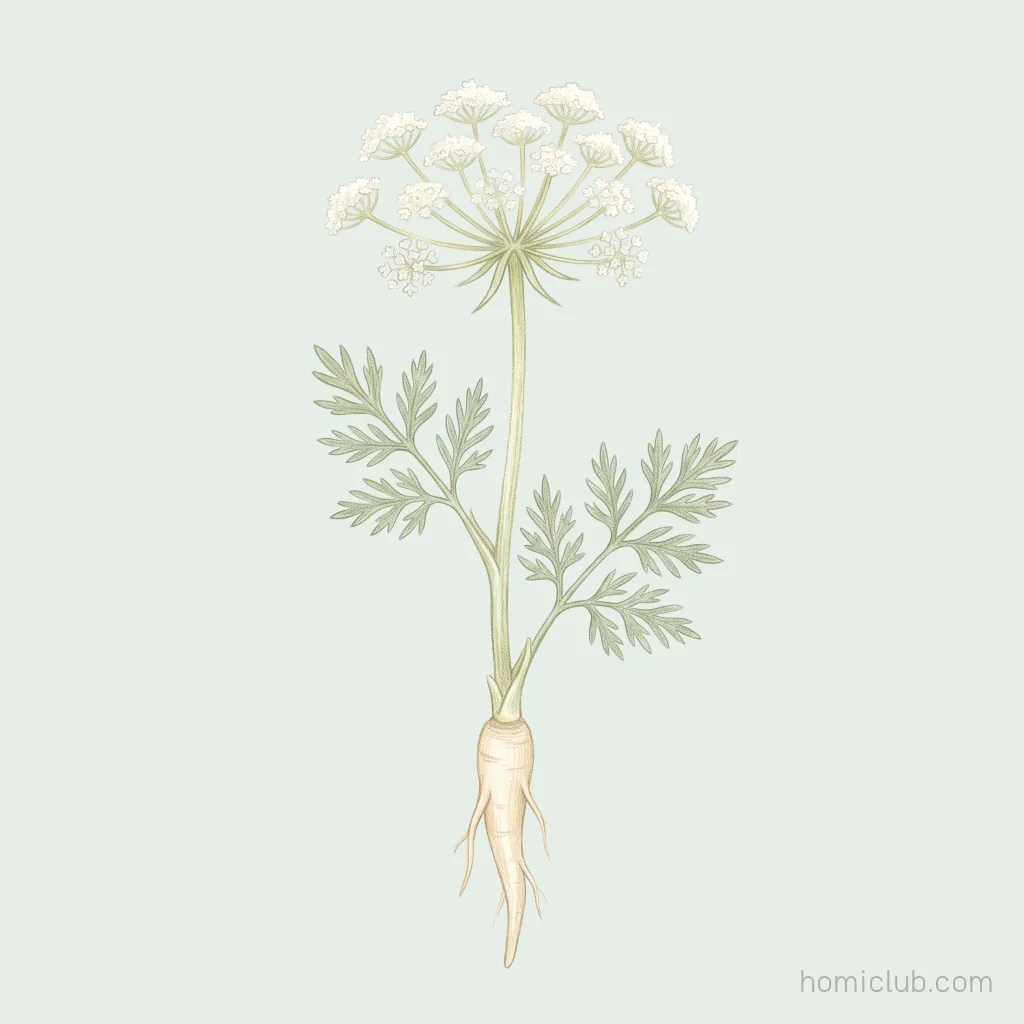
前胡 Jeonho (Wild Chervil)
 Related Crop · Jeonho (Wild Chervil) →
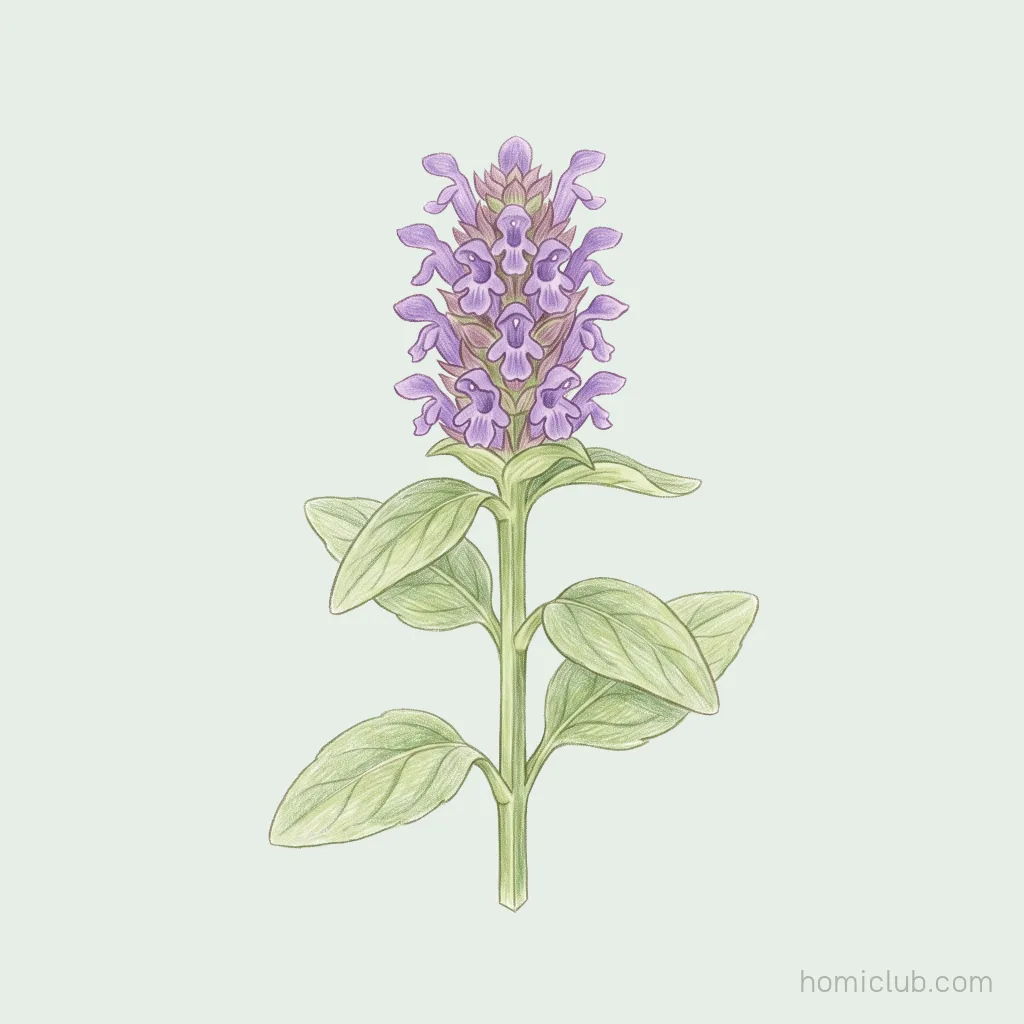
Jeonho is the root of a perennial in the carrot family, the same plant as the jeonho in the crop guide. Along Korea's south coast its young shoots are picked as an early-spring green. Recorded under the old Korean name syayangbulhwi, the root was dug in the second and eighth months and sun-dried.
Original, read line by line 東醫寶鑑 · Tangaek — Decoctions vol. 3
-
性微寒, 味甘辛, 無毒.
Its nature is slightly cold, its taste sweet and pungent, and it has no toxicity.
-
治一切勞, 下一切氣, 療痰滿胸脇, 中痞, 心腹結氣, 去痰實, 下氣止嗽, 開胃下食.
It treats every kind of taxation, sends down every kind of gi, treats phlegm filling the chest and flanks, glomus in the centre, and bound gi in the heart region and abdomen; it removes phlegm repletion, sends gi down to stop coughing, and opens the stomach so that food goes down.
-
處處有之.
It is found everywhere.
HomiclubIts Korean name is badinamul (Angelica decursiva), a perennial of the carrot family whose young spring shoots are gathered as a vegetable.
-
二月八月採根, 暴乾用之. 《本草》
In the second and eighth months the root is dug, dried in the sun, and used. 《Boncho》
Related Crop
Jeonho (Wild Chervil) →
Reading on Jeonho (Wild Chervil)
Herbs — more entries
This is a cultural and historical record from a classical text, not a claim about any food’s effects. Nothing here is a health supplement or intended to prevent or treat disease. Consult a medical professional about health concerns. · Text: Korean Medicine Classics DB · Reading: Homiclub