
Tangaek — Decoctions · Herbs
狼毒 Odokgi (오독기)
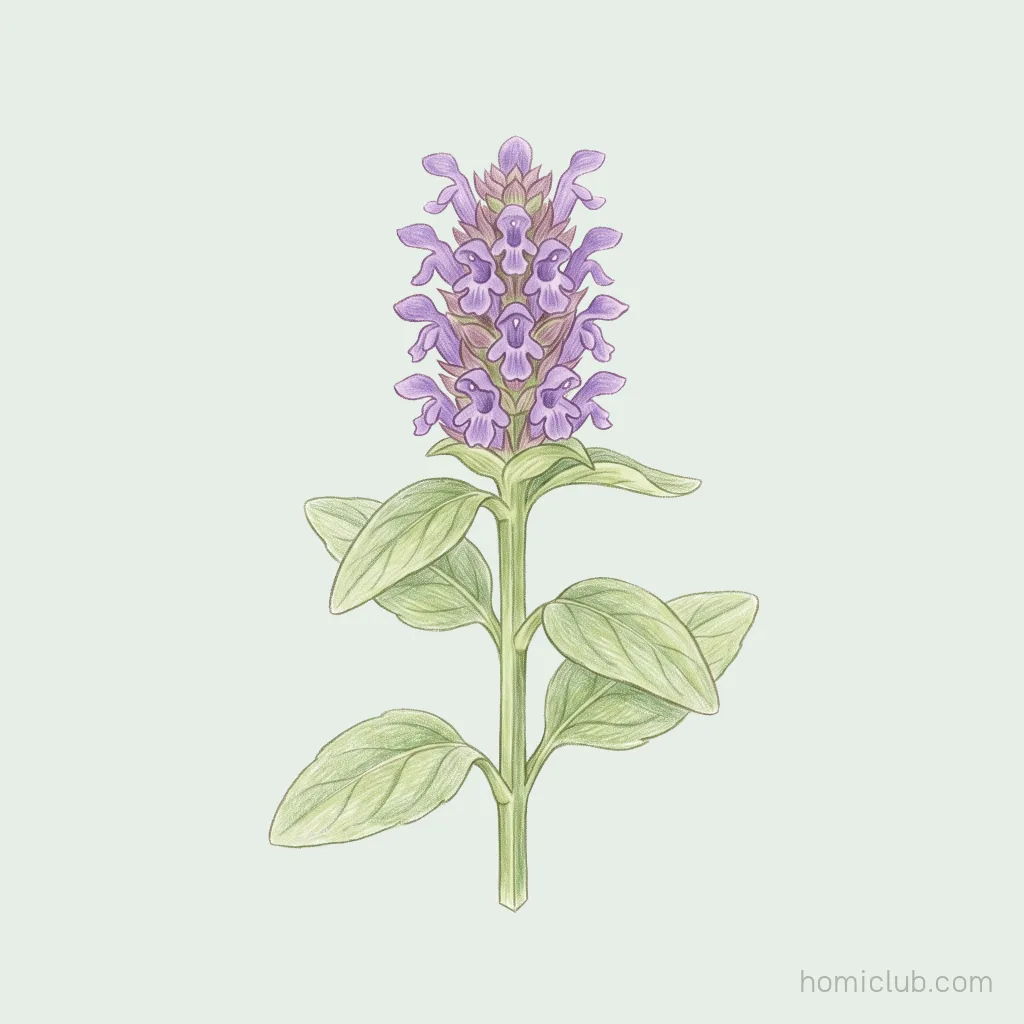
Nangdok is the root of a plant Koreans call odokgi. It grows in mountain valleys, its leaves resembling pokeweed or rhubarb, with fine hairs on stem and leaf. It carries a strong poison and was roasted before use; old roots that sink in water were rated best. The Donguibogam lists it in the herb section.
Original, read line by line 東醫寶鑑 · Tangaek — Decoctions vol. 3
-
性平, 味辛一云苦辛, 有大毒.
Its nature is neutral, its taste pungent (one account says bitter and pungent), and it carries great toxicity.
-
破積聚癥癖痰飮, 殺鬼精蠱毒, 及飛禽走獸.
It breaks up accumulations and gatherings, concretions and aggregations, and phlegm-rheum; it kills ghost essences and gu toxin, and even flying birds and running beasts.
HomiclubThe text itself marks this plant as carrying great toxicity. It is not a plant that is eaten.
-
生山谷.
It grows in mountain valleys.
-
葉似商陸及大黃, 莖葉上有毛.
Its leaves resemble those of sangnyuk (商陸, pokeweed) and daehwang (大黃, rhubarb), and there is hair on the stem and leaves.
HomiclubIn Korean the plant is called odokgi, or odokdogi.
-
四月開花, 八月結實.
It flowers in the fourth month and sets fruit in the eighth.
-
根皮黃肉白.
The root has yellow skin and white flesh.
-
二月八月採根, 陰乾.
In the second and eighth months the root is dug and dried in the shade.
-
以陳而沈水者爲良, 火炮用. 《本草》
Those that are old and sink in water are taken as good, and it is roasted in fire before use. 《Boncho》
Herbs — more entries
This is a cultural and historical record from a classical text, not a claim about any food’s effects. Nothing here is a health supplement or intended to prevent or treat disease. Consult a medical professional about health concerns. · Text: Korean Medicine Classics DB · Reading: Homiclub