
Tangaek — Decoctions · Herbs
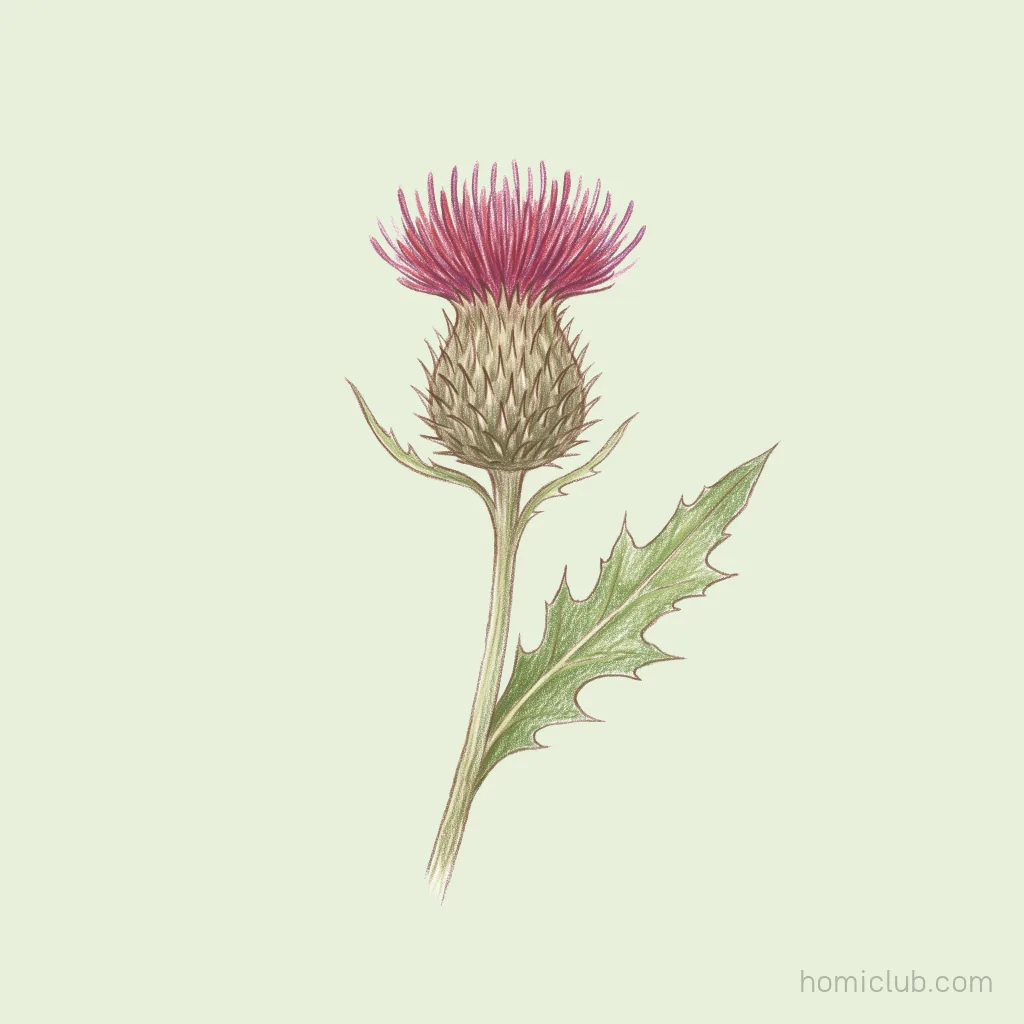
大薊 Korean Thistle
 Related Crop · Korean Thistle →
Daegye is the leaf and root of the thistle, the same plant as the eonggeongkwi in the crop guide. It also went by the old name hanggasae, and its young leaves are blanched and eaten as a namul side dish. Dongui Bogam separates the tall, crinkle-leaved daegye from the small, smooth-leaved sogye, the field thistle.
Original, read line by line 東醫寶鑑 · Tangaek — Decoctions vol. 3
-
性平, 味苦, 無毒. 治瘀血, 止吐衄血, 療癰腫疥癬. 主女子赤白帶. 養精保血.
Its nature is neutral, its taste bitter, and it is non-toxic. It treats static blood, stops vomiting of blood and nosebleed, and treats abscesses, scabies, and ringworm. It governs red and white discharge in women. It nourishes the jeong (精, essence) and safeguards the blood.
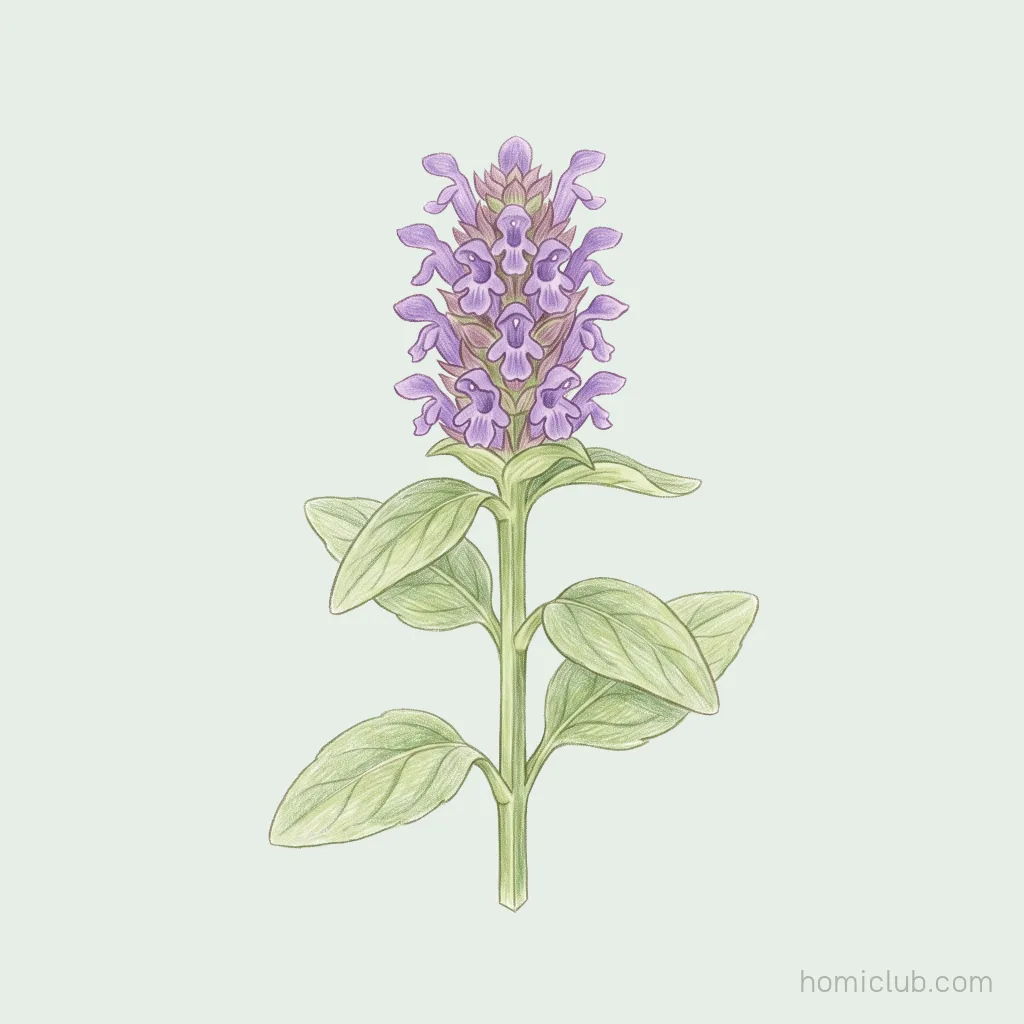
HomiclubDaegye is the leaf and root of the Korean thistle, a composite-family perennial common in fields and along roads. Its leaf margins are armed with sharp spines, and it raises purple flower heads in early summer.
-
處處有之. 五月採苗葉, 九月採根, 陰乾. 《本草》
It is found everywhere. Pick the shoots and leaves in the fifth month, dig the root in the ninth month, and dry them in the shade. 《Boncho (本草)》
HomiclubThe young leaves gathered in the fifth month are still parboiled and dressed as namul today. Hanggasae, the old Korean name, is an earlier word for the thistle.
-
地丁, 卽大薊也. 黃花者, 名黃花地丁, 紫花者, 名紫花地丁, 幷主癰腫. 《正傳》
Jijeong (地丁) is the same as daegye. Those with yellow flowers are called hwanghwa-jijeong and those with purple flowers jahwa-jijeong, and both govern abscesses and swellings. 《Jeongjeon (正傳)》
Related Crop
Korean Thistle →
Reading on Korean Thistle
Herbs — more entries
This is a cultural and historical record from a classical text, not a claim about any food’s effects. Nothing here is a health supplement or intended to prevent or treat disease. Consult a medical professional about health concerns. · Text: Korean Medicine Classics DB · Reading: Homiclub