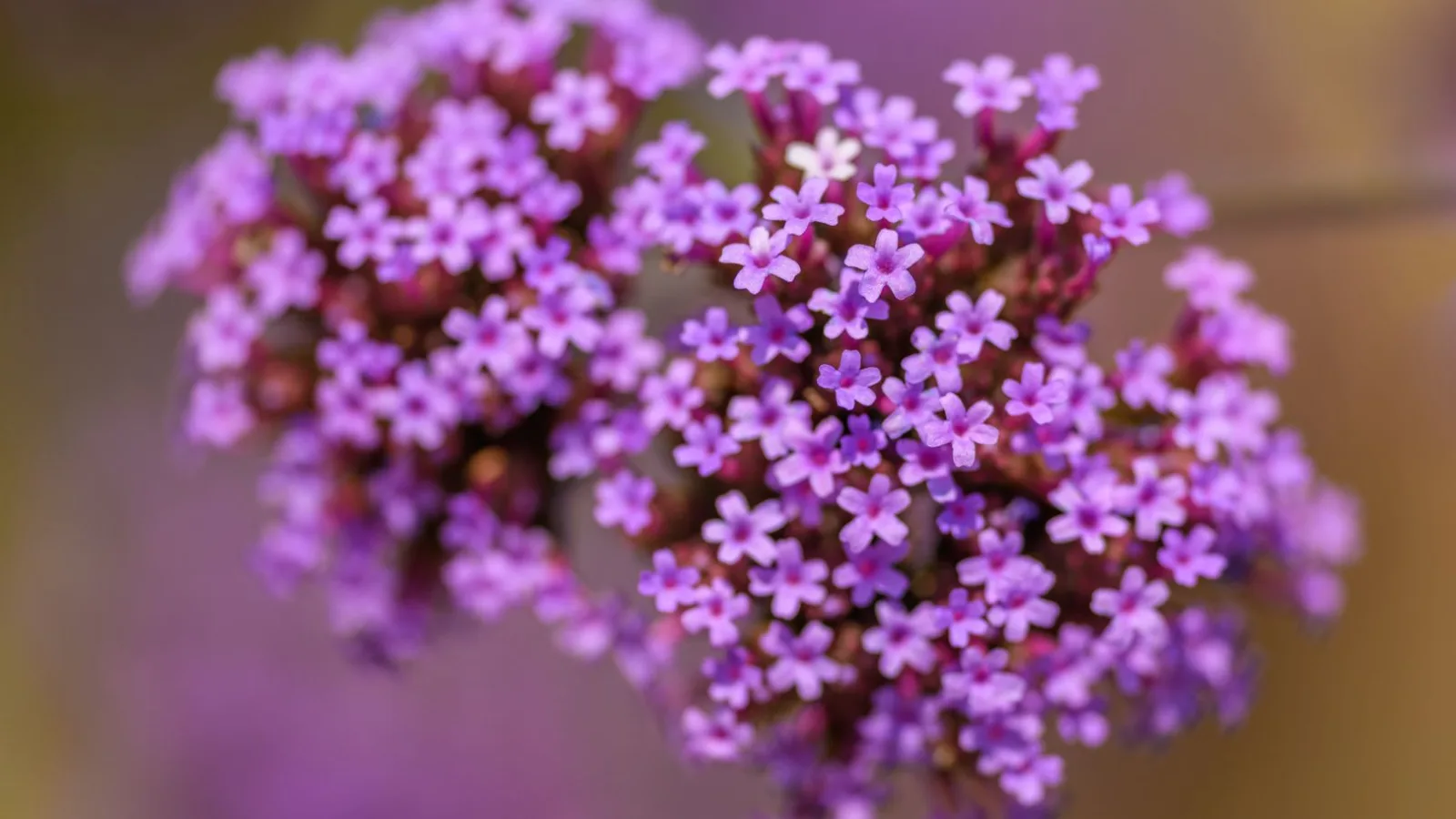
It's September at the edge of the garden. A plant growing in soil that has hardly been watered has sent up three or four slender spikes from its tips. Tiny lavender flowers open at the bottom of each spike and keep opening up toward the top. In Korea the plant is called mapyeoncho (馬鞭草), or "horse-whip herb," because the spikes look like the leather lash at the end of a horse whip. In Europe the same species is known as vervain and has long been grown as an herb. China is the main producer, and in Korea and Japan it comes up on its own along roadsides and in vacant lots. If you garden in the Northern Hemisphere, you can start harvesting now.
Choosing Seeds and Planting
When you shop for seeds, check the name first. Garden verbena, the flowering bedding plant, and fragrant lemon verbena have similar names, but they are different plants from vervain. Lemon verbena belongs to the same family as vervain (Verbenaceae) but to a different genus, and its chemical makeup is different too. Look for the botanical name Verbena officinalis on the packet so you don't mix them up.
Sow the seeds in April (Northern Hemisphere). In the Southern Hemisphere, shift the schedule by six months to around October. The ideal growing temperature is 18–25°C (64–77°F), and the plant can grow anywhere from 10 to 30°C (50–86°F), so sow once spring temperatures stay above 10°C (50°F). Choose an open spot in full sun. As long as the soil drains well, vervain will grow even in poor ground, so it doesn't need much fertilizer. Avoid low spots where water pools after rain. If you're growing it in a pot, choose one with a large drainage hole.
Summer Care and Overwintering
Once the seedlings are established, they need very little care. This is a roadside plant, so watering when the top of the soil is dry is enough. Each stem tip branches into three or four spikes, so leave generous space between vervain and neighboring crops for good air circulation. If you're not sure whether a plant is vervain or a lookalike, check the stem. The Donguibogam, a medical encyclopedia compiled in Korea's Joseon dynasty in the early 17th century, notes that vervain resembles motherwort but has a round stem.
Vervain is only moderately cold-tolerant (half-hardy). Where winters are mild, its roots survive the winter and it grows back the following spring. Where the ground freezes deep, the cold kills it, so grow it as an annual. In Korea it overwinters from the roots in the south and on Jeju Island, but not in the central region. If you live somewhere cold, collect seeds in the fall and sow them again the next spring. The flowers open from the bottom of the spike upward, so the seeds ripen from the bottom first as well.
Harvesting as It Comes into Bloom
In the Northern Hemisphere, harvest in August and September. For tea, cut about a hand-span off the top of each stem just as the flowers begin to open. Leave out the thick lower stems, which are too tough to use. Tie the cut stems into small bundles and hang them to dry in the shade. The Donguibogam says to gather the shoots in the seventh and eighth lunar months and dry them in the sun. It dries them in a different place, but the seventh and eighth lunar months fall roughly in August and September, so the harvest time is the same as today.
Chemical analysis also explains why vervain is harvested as it begins to bloom. Several studies have isolated two iridoid glycosides from vervain, verbenalin and verbenoside, and some have found that the aboveground parts contain the most of these compounds around flowering time. Vervain also contains flavonoids, a group of phenolic compounds common in plants, and tannins, which give it an astringent taste. These analyses only describe the plant's chemical makeup, though. They say nothing about preventing or treating any disease.
Taming the Bitterness: Vervain as Tea
Steep well-dried leaves and stems in hot water and you get a noticeably bitter tea. The dry, puckery feeling left in your mouth comes from the tannins. If it's your first cup, try adding a slice of lemon or a spoonful of honey. Add the honey after you pour the tea and let it cool a little. If the bitter aftertaste still lingers, mix vervain half and half with a strongly aromatic dried herb such as chamomile flowers or peppermint leaves. See our guides to growing chamomile and peppermint too.
The Donguibogam describes vervain as cool in nature and pungent in taste, and adds that some sources call it bitter. It also records both that it is nontoxic and that it is toxic. An old medical text can't be taken as a modern judgment, but since it records both claims, start with a weak brew and drink only a little. If you take any medication or have concerns about your health, talk to your doctor first to be safe.
When you go out to the garden today, pick a vervain stem that has just started to flower, cut off the top, and hang it in the shade to dry.
Sources: Donguibogam, Herbs section (草部), "Mapyeoncho" (馬鞭草) · Korea National Arboretum, Korea Biodiversity Information System