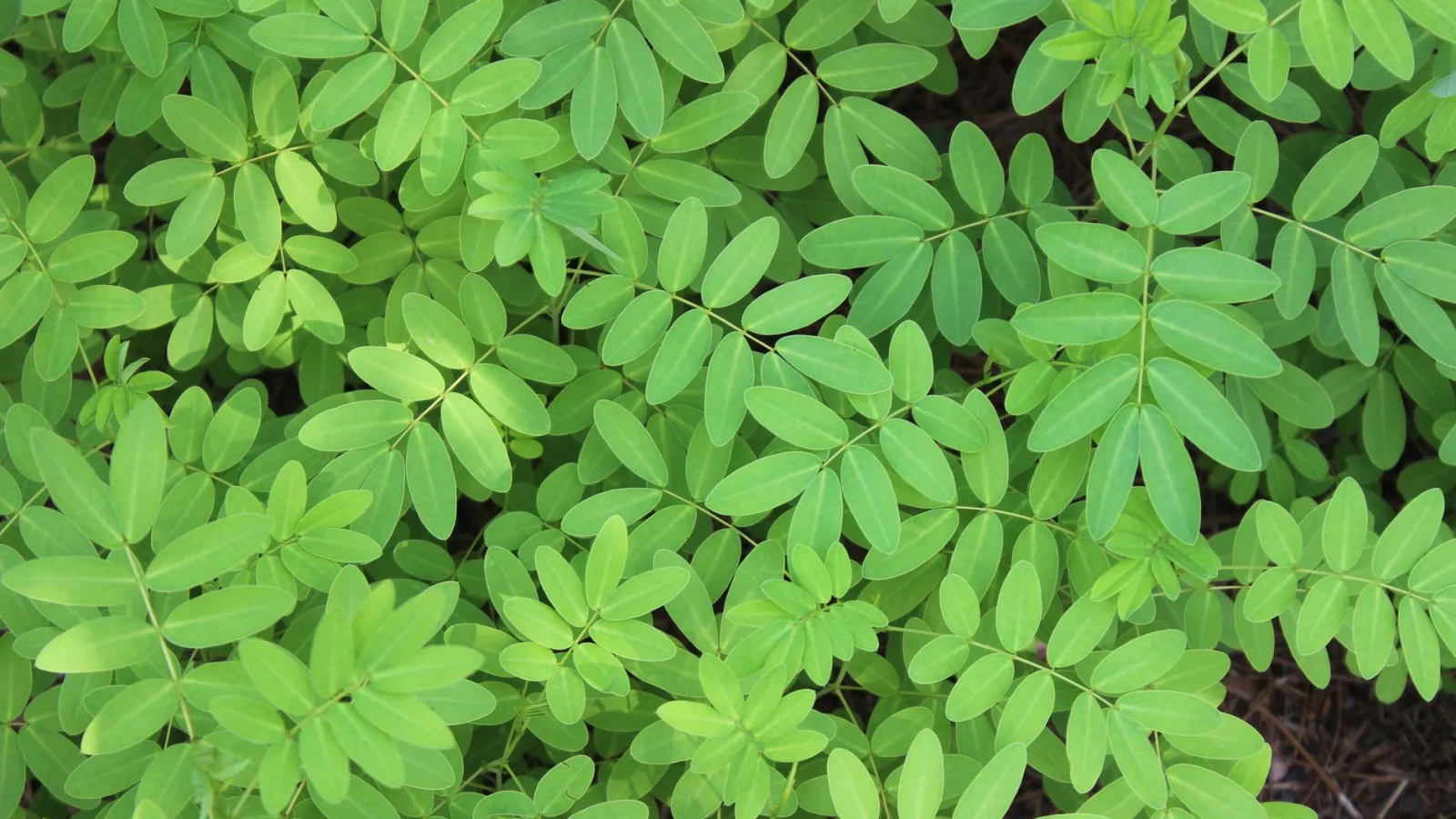
By late September, a Northern Hemisphere garden asks for more harvesting than sowing. Astragalus (Astragalus membranaceus) sown in April is ready to dig in October and November. It's a perennial in the legume family, and gardeners grow it for the root. In Korea, most people know it as a dried root added to samgyetang (a young chicken stuffed with glutinous rice, jujubes, garlic and more, then simmered into soup) and baeksuk (a whole chicken poached in clear broth).
The "Dan-neosam Root" in the Dongui Bogam
The Dongui Bogam is a medical compendium compiled in Korea during the Joseon dynasty, in the early 17th century. Its section on herbs (草部) includes astragalus (黃芪, hwanggi) and records the plant's old Korean name as ᄃᆞᆫ너삼 불휘. Bulhwi is an archaic word for "root," so in modern terms the name means "dan-neosam root."
The book describes astragalus as slightly warm in nature, sweet in taste and free of toxicity. It says the plant grows wild in fields almost everywhere, and that the root is dug in the second and tenth months of the lunar calendar and dried in the shade. The best roots, it says, are soft as cotton and straight as an arrow shaft. Keep in mind that this is a description from a medical text written more than 400 years ago, and it isn't the same as a modern medical judgment. You can read the original entry alongside our commentary on Homiclub's Dongui Bogam page.
How It Compares with Modern Analysis
Several research teams have isolated triterpene saponins of the astragaloside family from plants in the genus Astragalus and published their findings. The root also contains isoflavones such as formononetin, polysaccharides that give broth its body, and dietary fiber that is almost woody. So where do the old record and modern analysis agree, and where do they differ?
On taste, the two accounts overlap. One analysis reports that when the dried root is simmered in water, polysaccharides and sugars dissolve first, and the broth turns pale yellow and slightly thick. That fits the Dongui Bogam's description of astragalus as sweet. Both also treat some roots as better than others. The old text judged roots by shape and feel, while modern analysis finds that saponin content varies with the part of the root and how many years the plant has grown. What this analysis can't tell us is how the old standards relate to the actual levels of these compounds.
There are differences, too. "Slightly warm" comes from a system in traditional medicine that ranked foods and herbs by how cooling or warming they were, and a chemical analysis has no category that matches it. In the other direction, words like saponin and isoflavone never appear in the old text. This analysis also only identifies what the root contains. It is not research showing that astragalus prevents or cures any disease. If you grow astragalus in your garden, then, grow it for the flavor it gives a broth rather than for any medicinal effect. That approach fits both the old record and the modern analysis.
Sow in Spring, Dig in Fall
In the Northern Hemisphere, sow astragalus in April and dig the roots in October or November. In the Southern Hemisphere, move everything six months: sow in October and harvest the following April or May. Because you're growing it for the root, loosen the soil deeply and pick out stones before you sow. The old text prized straight roots, and a root that meets fewer obstacles on its way down is more likely to grow straight.
- When the leaves and stems above ground start to turn yellow and wither, the roots are ready to dig.
- The roots go deep, so push your spade in deeply a short distance from the plant and lift slowly so they don't snap.
- Shake off the soil, rinse the roots, and dry them in the shade, as the Dongui Bogam instructs.
- Astragalus is a perennial, so you can also leave it in the ground for another year before digging. Try comparing the flavor of a one-year root with a two-year root.
You can check the sowing and harvest months again in our astragalus crop guide.
Start in Cold Water and Simmer
Astragalus root is fibrous and nearly woody, so it isn't chewed. It's simmered, and you enjoy the broth. Here's how to make a simple decoction:
- Put a few dried astragalus roots in a pot of cold water and set it over the heat.
- When it comes to a boil, turn the heat down and simmer gently for 30 to 40 minutes.
- Once the water turns pale yellow, lift out the roots.
A stronger, longer simmer isn't necessarily better. When you cook astragalus with chicken or duck, also start it in cold water and turn the heat down once the pot begins to boil. The root's mild sweetness works its way into the rich broth and leaves a lasting aftertaste. Adding jujubes (Korean red dates) and garlic sharpens a sweetness that would otherwise taste flat. Split the jujubes so they release their flavor, and keep the garlic cloves whole so the broth stays clear.
Try making a pot of chicken broth with dried astragalus today. If you like the taste, save a corner of your garden for sowing next April (in the Northern Hemisphere).