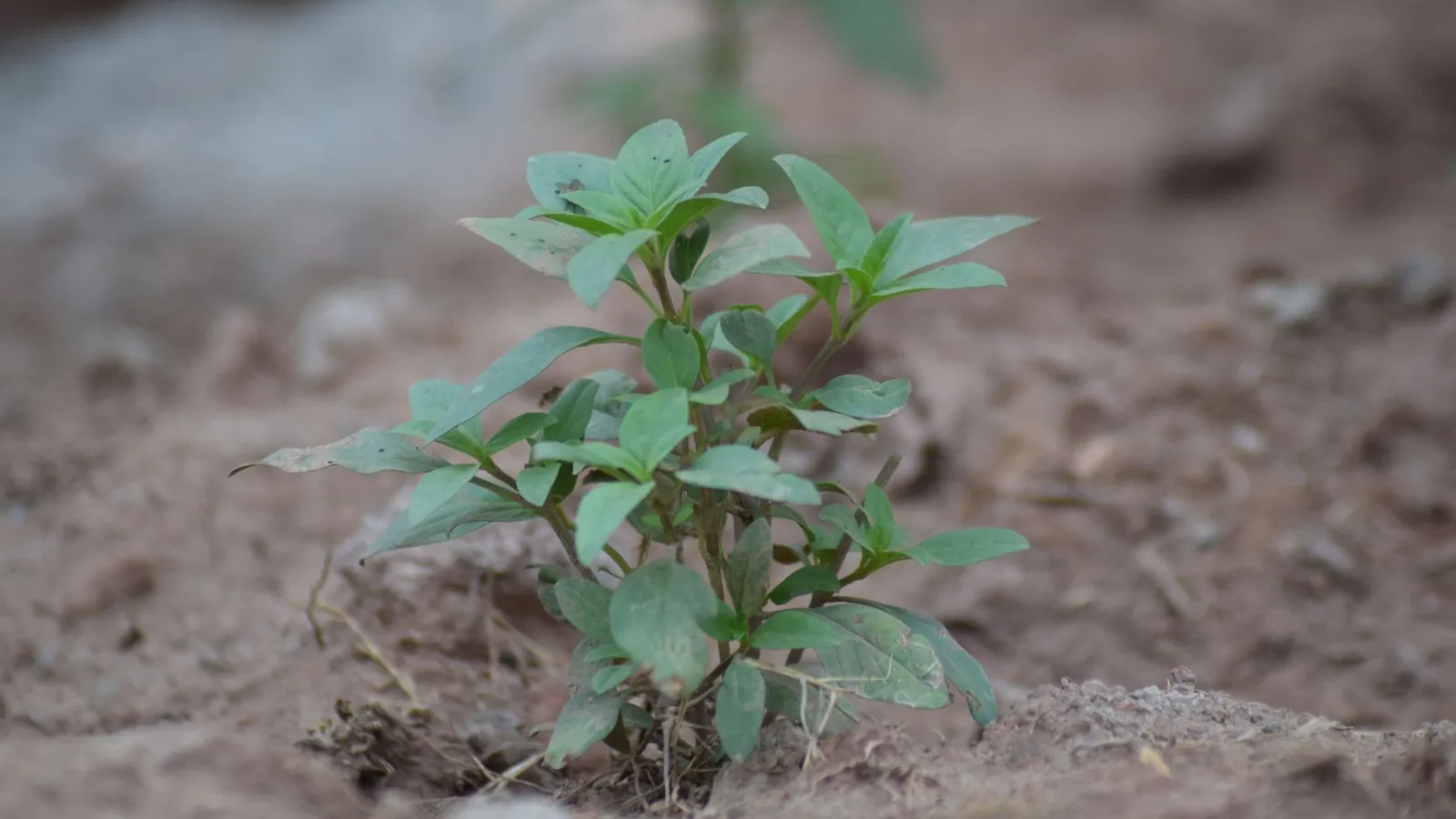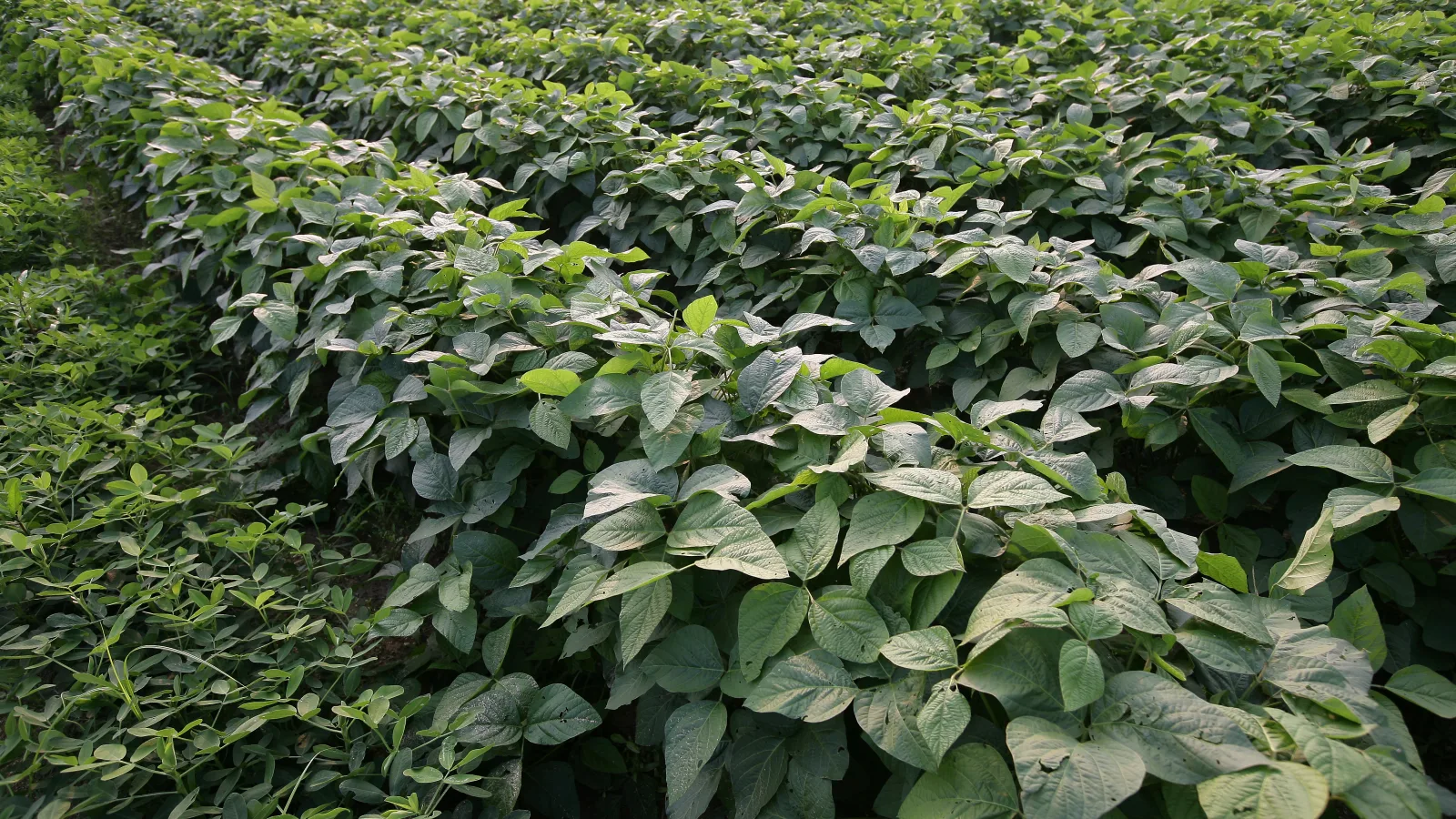
As summer deepens, perilla grows thick in one corner of the garden. We pick the palm-sized leaves to layer one more onto a lettuce wrap, and come autumn we gather the ripened seeds to press into oil. Drizzle a spoonful of fresh perilla oil over a plate of seasoned greens and its nutty aroma fills the whole table. Perilla is something we eat all the time, yet inside it sits a nutrient that other plant oils struggle to match.
It holds the most omega-3 of any plant oil
Among vegetable oils, perilla oil ranks highest in alpha-linolenic acid (ALA), an omega-3 fatty acid. Analyses put the ALA content of perilla oil at roughly 54 to 64 percent — higher even than canola or flaxseed oil. ALA is an essential fatty acid that the body partly converts into EPA and DHA. "Essential" means our bodies can't make it on their own, so we have to get it from food. This much has been clearly confirmed by compositional testing.
It supports heart health
Of perilla's benefits, the one with the firmest evidence is cardiovascular. In a large pooled study of more than 250,000 people, those who ate more ALA had a lower risk of cardiovascular disease. Another large analysis found that for every additional gram of ALA per day, the risk of overall death and of cardiovascular death each tended to drop by about 5 percent. Because human population data back this up, there's a clear reason to keep perilla oil on the table regularly. That said, the same analysis gave mixed results on cancer, so it's better to enjoy perilla oil as part of a balanced diet than to expect any one food to do everything.
Effects on blood lipids and cognition are still promising but unproven
Some reports suggest perilla oil lowers triglycerides and cholesterol and eases fatty liver. So far, though, these effects have mostly been seen in animal studies, and the human data are short-term and limited. In research on cognitive function in older adults, those who took perilla oil showed higher blood ALA, greater antioxidant capacity, and encouraging signs of preserved cognition. But in a trial involving dementia patients, only safety was confirmed — an actual cognitive benefit was not demonstrated. This area is still at the "promising possibility" stage, so it's honest to keep your expectations modest.
The anti-inflammatory action of perilla leaves is still at the lab stage
Unlike the oil pressed from the seeds, perilla leaves contain an antioxidant called rosmarinic acid. In cell and animal studies, this compound calmed allergy-driven inflammation and protected the lining of the stomach. In 2024, Korea's Rural Development Administration even developed a technique to produce rosmarinic acid in quantity by culturing perilla leaf cells. But these are results from the lab and from animals; whether people see the same effects has not yet been confirmed. Folk tradition has long regarded perilla leaves as a vegetable that settles the stomach — for now, think of it as evidence quietly accumulating toward that idea.
How to eat it and how to store it
The ALA that makes perilla so valuable comes with a weakness: it's vulnerable to oxidation. According to Rural Development Administration data, perilla oil left at room temperature (25°C) begins to go rancid quickly around the 20-week mark, while oil refrigerated at 4°C held up with little change all the way to 40 weeks. So buy or press perilla oil in small bottles, and keep it refrigerated and use it quickly. Heat easily drives off both its aroma and its nutrients, so rather than frying with it, drizzle it on at the end over seasoned greens or a bowl of bibimbap. Eat perilla leaves raw as wraps, or briefly blanch and season them. When picking leaves in the garden, work your way down from the tender top leaves and you'll be able to harvest well into autumn.
Perilla is so often within reach that we forget how precious it is — yet it holds a generous helping of the omega-3 that's hard to get at the table. Start tonight by drizzling a spoonful of perilla oil over a single plate of seasoned greens.
References: Rural Development Administration; Food Journal; Am J Clin Nutr 2012 ALA meta-analysis; BMJ 2021 ALA mortality-risk analysis.