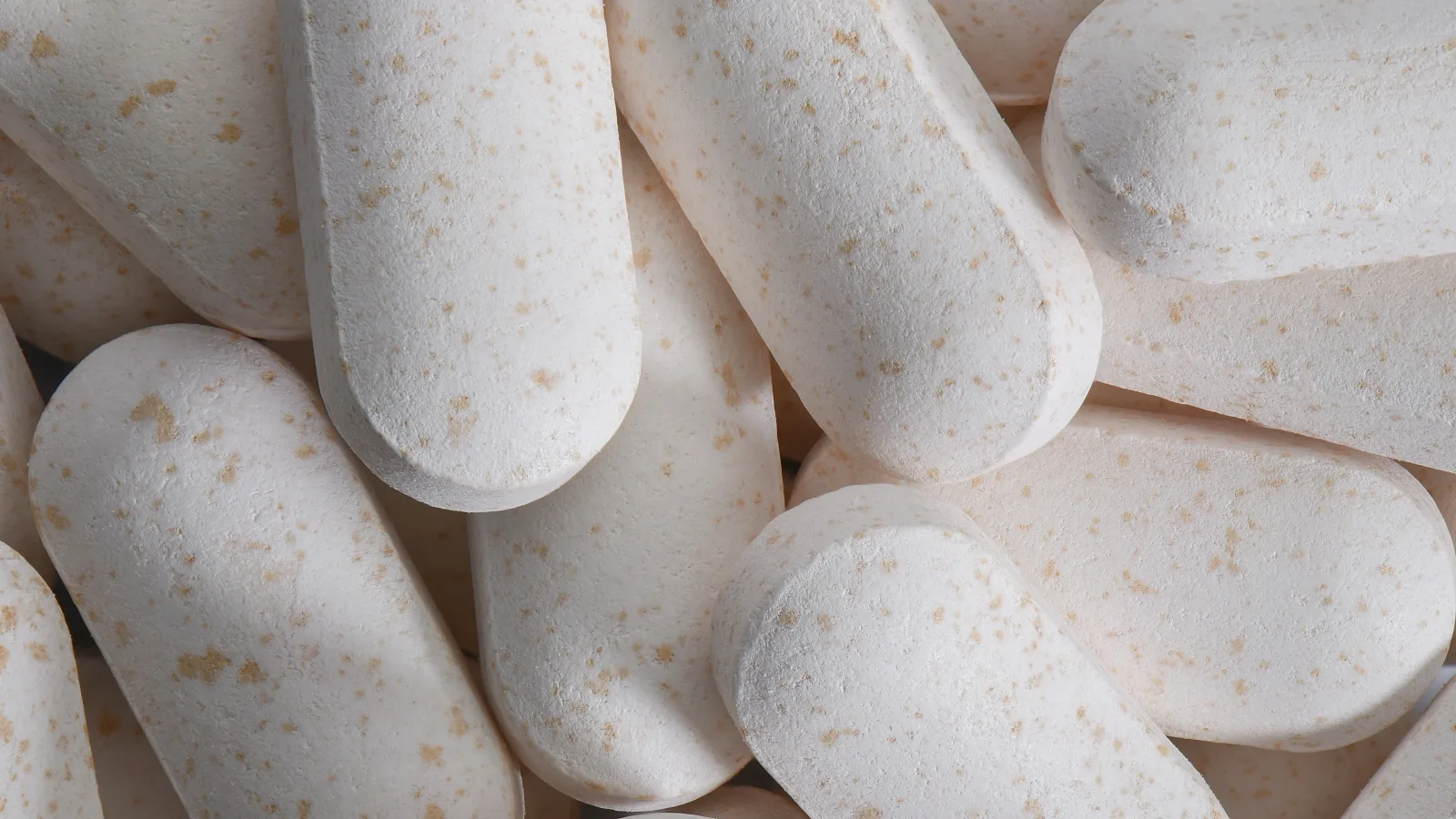
After a day spent in the garden, when you finally sit down to dinner, reaching for the pill bottle has become second nature in many households. Two calcium tablets, one vitamin D. Once you reach the age when bones start to weaken, a doctor may suggest them, or you pick them up yourself at the pharmacy. Now there's good reason to take a fresh look at that long-standing habit.
What a Study of 150,000 People Concluded
In a large clinical study that analyzed roughly 154,000 people, calcium and vitamin D supplements showed no clear effect in reducing fractures or falls. The results were much the same whether the supplements were taken alone or together. The participants were mostly healthy older adults, and for most of them, the benefit from supplements was small.
This isn't the first time such findings have surfaced. For years now, medical bodies in several countries have published similar analyses, and the guidelines have shifted away from broadly recommending supplements—except in cases of diagnosed osteoporosis or confirmed calcium deficiency.
Why a Single Pill Can't Rebuild Bone
Swallowing calcium doesn't mean it goes straight into your bones. For calcium to be absorbed in the gut, you need enough vitamin D. And for that absorbed calcium to actually become part of bone tissue, your body needs physical activity that puts stress on the bones. One pill can't stand in for that entire chain.
Take in too much calcium at once, and the absorption rate drops as well. The small intestine can only process so much at a time, so anything beyond a certain amount passes through unabsorbed. Spreading your intake across meals helps your body take in more of it.
Bone Health from the Garden and the Sun
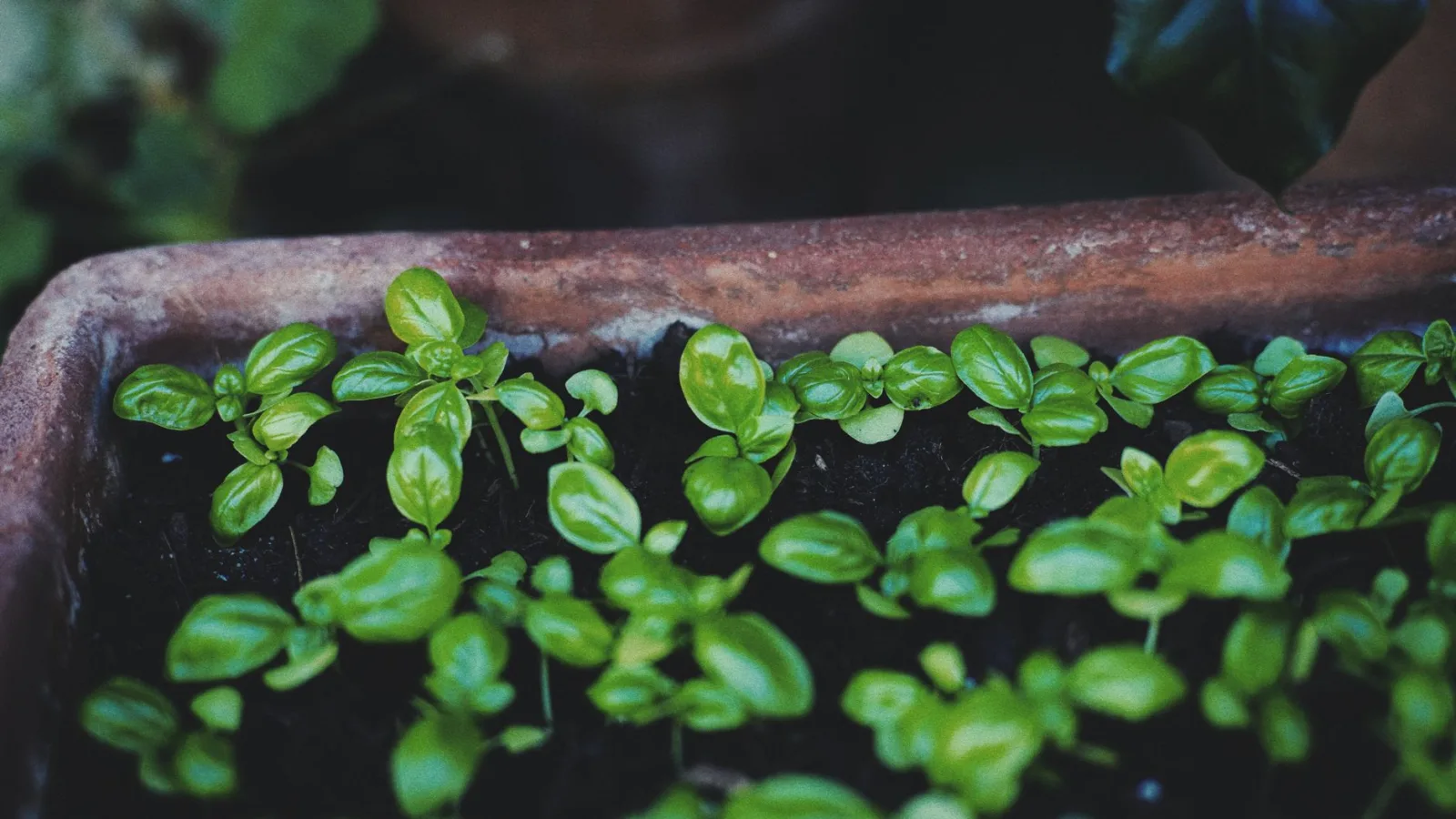
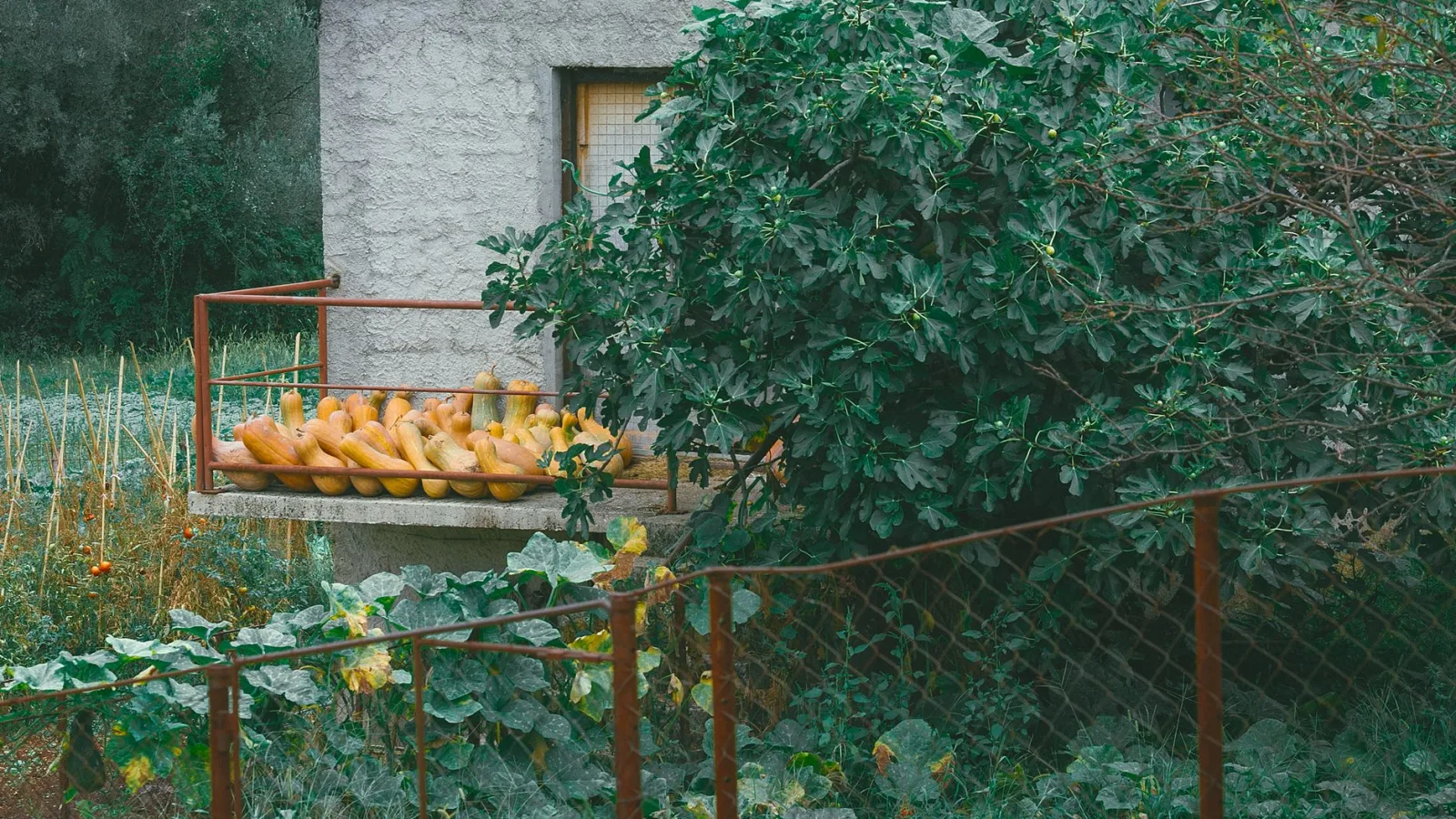
Calcium from food is absorbed more efficiently than calcium from supplements. Vegetables you can grow in your own plot—kale, bok choy, and garlic chives—are all high in calcium. A 100-gram serving of kale holds about 150 mg of calcium, more than the roughly 115 mg in 100 ml of milk. Bring them to the table regularly alongside foods like tofu and dried anchovies, and you can meet your daily requirement without taking a single supplement.
When it comes to vitamin D, sunlight does the job better than food. Spend 15 to 30 minutes a day with your bare forearms or calves exposed to the sun, and your skin makes vitamin D on its own. For it to work, though, your skin has to be free of sunscreen.
The best-supported approach to bone health is weight-bearing movement. Walking, light jogging, working in the garden—any activity where your feet press into the ground puts pressure on your bones and helps keep their density up. The everyday business of digging soil, watering plants, and hauling your harvest gives your bones a real workout.
If you're heading out to the garden today, try sowing a row of kale or bok choy seeds. Smoothing the soil and crouching down to water it—that very movement works on your bones more directly than any pill ever could.
Sources: U.S. Preventive Services Task Force; The BMJ (British Medical Journal)