Photo by Thibault Luycx on Pexels

Health

If Your Mint Has Lost Its Scent, Start With the Soil

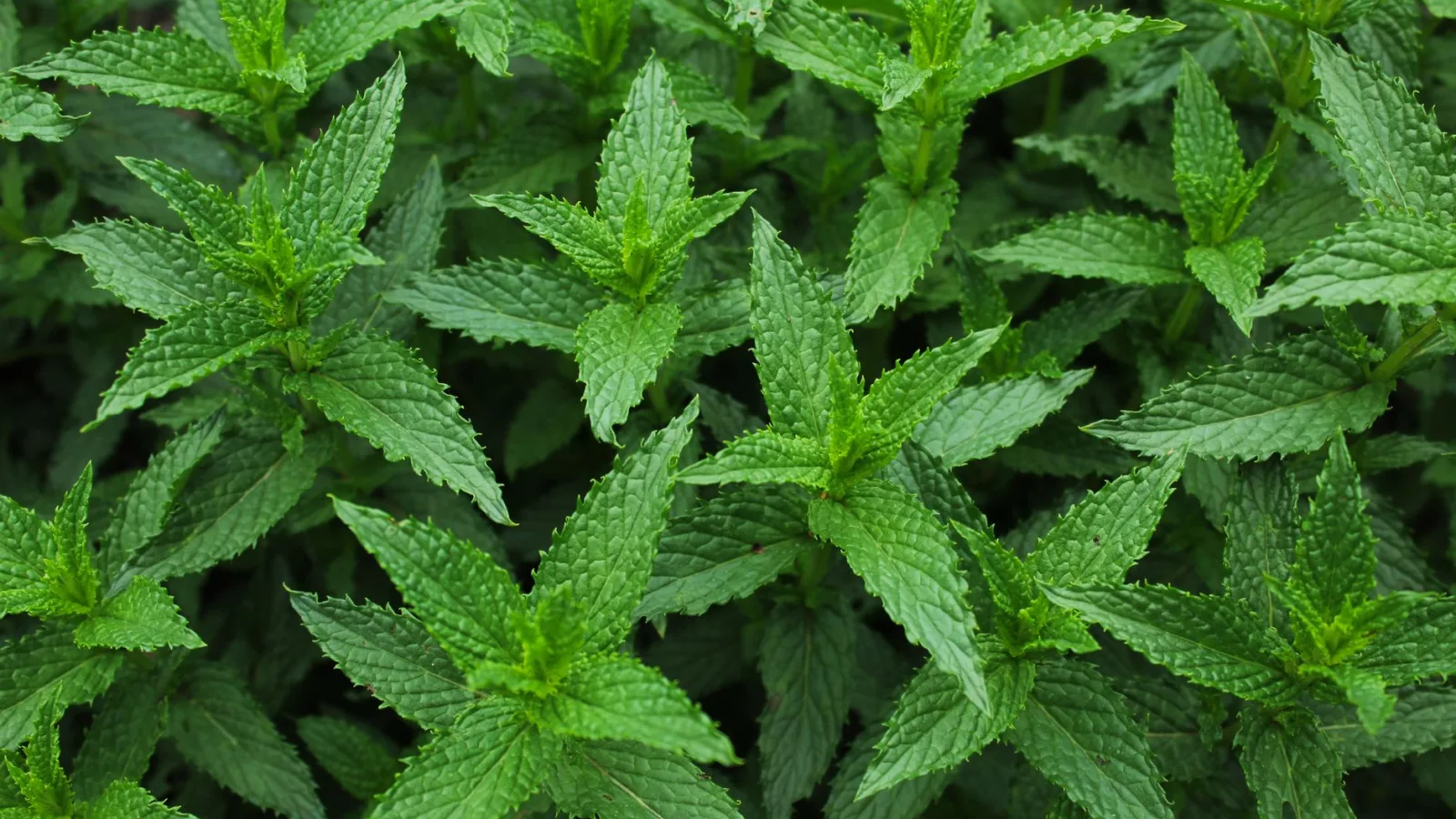
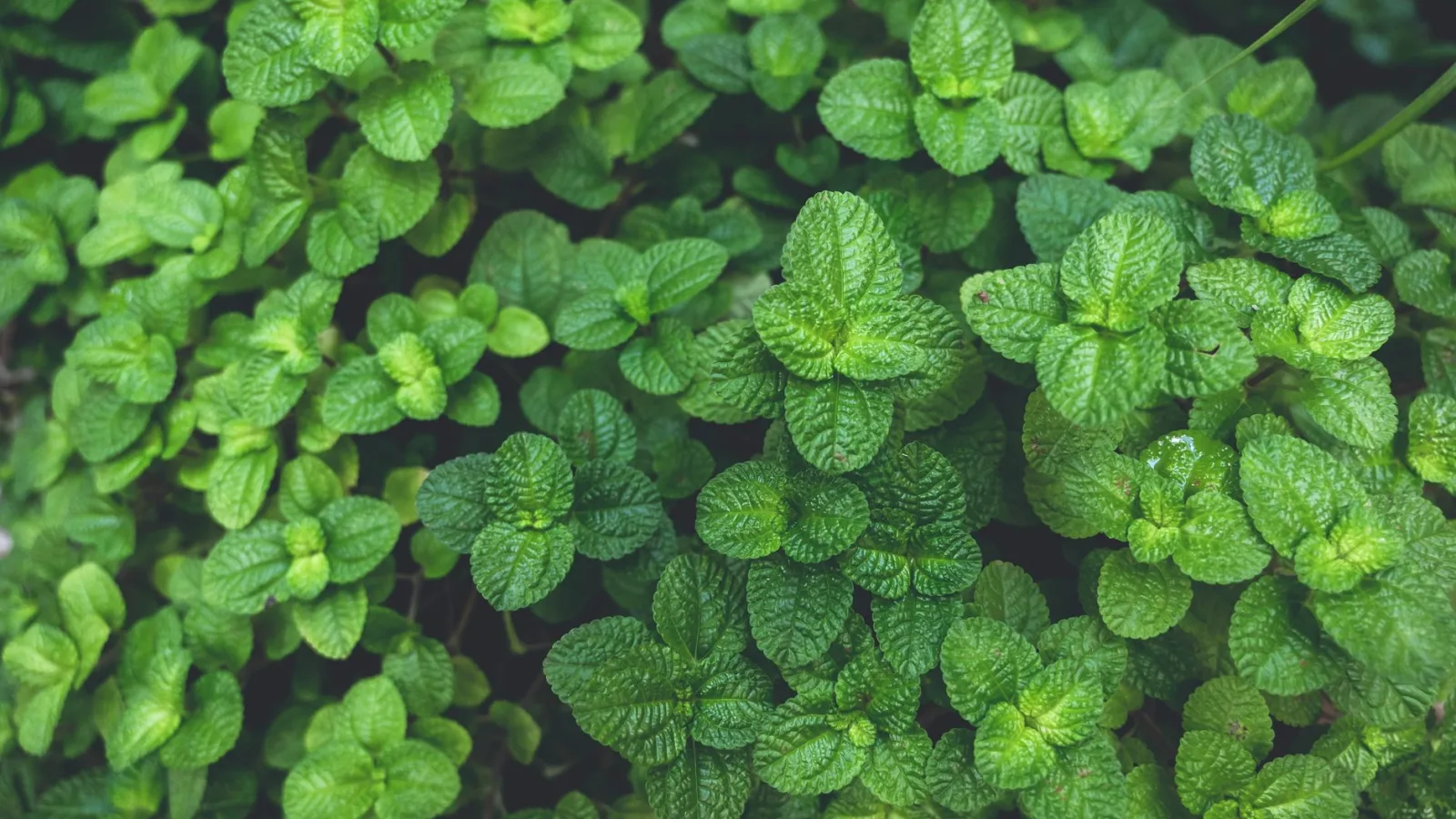
Grown for two seasons in sandy soil, spearmint given biochar and fertilizer together came out with the fullest leaves and the strongest scent

You watered not long ago, and the pot is already dry. Press a finger in and the grains feel coarse; water never pools on the surface, it just drops straight through. Rub a leaf and bring it to your nose, and the mint smell isn't what it used to be. This is a familiar story in soil with a lot of sand in it.

In sandy soil, nutrients don't stick around

There's a trial that grew spearmint in the sandy soils of Egypt two years running — the same common garden mint Koreans also call yangbakha. The researchers split it four ways: soil given nothing at all, soil given only nitrogen-phosphorus-potassium fertilizer, soil given only biochar, a charcoal soil amendment, and soil given both.

Biochar is a black, carbon-rich grain made by baking wood or crop residue with very little oxygen. Its surface is packed with minute pores, and those pores cut down on how much water and nutrient washes past the root zone. In the trial, the biochar-only plots beat the fertilizer-only plots on both leaf yield and essential-oil content, and the plots that got both did best of all. The combination delivered more than the two effects simply added together. Nitrogen, phosphorus and potassium levels in the leaves rose along with chlorophyll, which points to roots that could draw on nutrients right when they needed them.

A stronger scent means more of the good stuff in your cup

Spearmint's sweet, unmistakable smell comes from an essential-oil compound called carvone. It's a different note from peppermint's cooling menthol. When the oil fraction goes up, the same handful of leaves gives up more of those aromatics to your tea.

Spearmint has long been simmered and sipped for a heavy, bloated stomach. Carvone and limonene have been reported to relax the muscle of the digestive tract. That said, those findings come from the lab, and human evidence is still being built. It's fairer to think of it as something that helps digestion go a little easier. Polyphenols in the leaves, rosmarinic acid among them, lend some antioxidant benefit. None of it stands in for medicine.

Harvest while the scent is still alive. Leaves cut just before the flower stalks shoot up, once the morning dew has dried, carry the most oil. Pour over hot water, wait about three minutes, and the aromatics come through fully; steep longer and bitterness starts to take over. Try fresh leaves chopped small into yogurt or a cucumber salad. Dry them slowly in the shade so less of the fragrance escapes.

How to work biochar into a pot

The trial used 12.5 tons per hectare, which comes out to roughly 1.2 kilograms per square meter of garden bed. In a container, start under 5 percent of the soil volume.

  • Don't use barbecue charcoal or coal-briquette ash. Both carry oils and additives.
  • Choose a product sold as an agricultural amendment, soak it in water for a day, then mix it evenly through the soil.
  • Freshly fired charcoal pulls nutrients in for a while at first, so pair it with a diluted liquid feed and the leaves won't go yellow.
  • Pinch out the top shoots three to four weeks after planting; side branches multiply and yield climbs.

Today, take a handful of your potting soil and squeeze. If it falls apart in your hand and drains almost the moment you water, mix in some biochar at the next repotting.

Source — Scientific Reports, trial on combined biochar and fertilizer for spearmint grown in sandy soil, 2026

Share this story
0% read