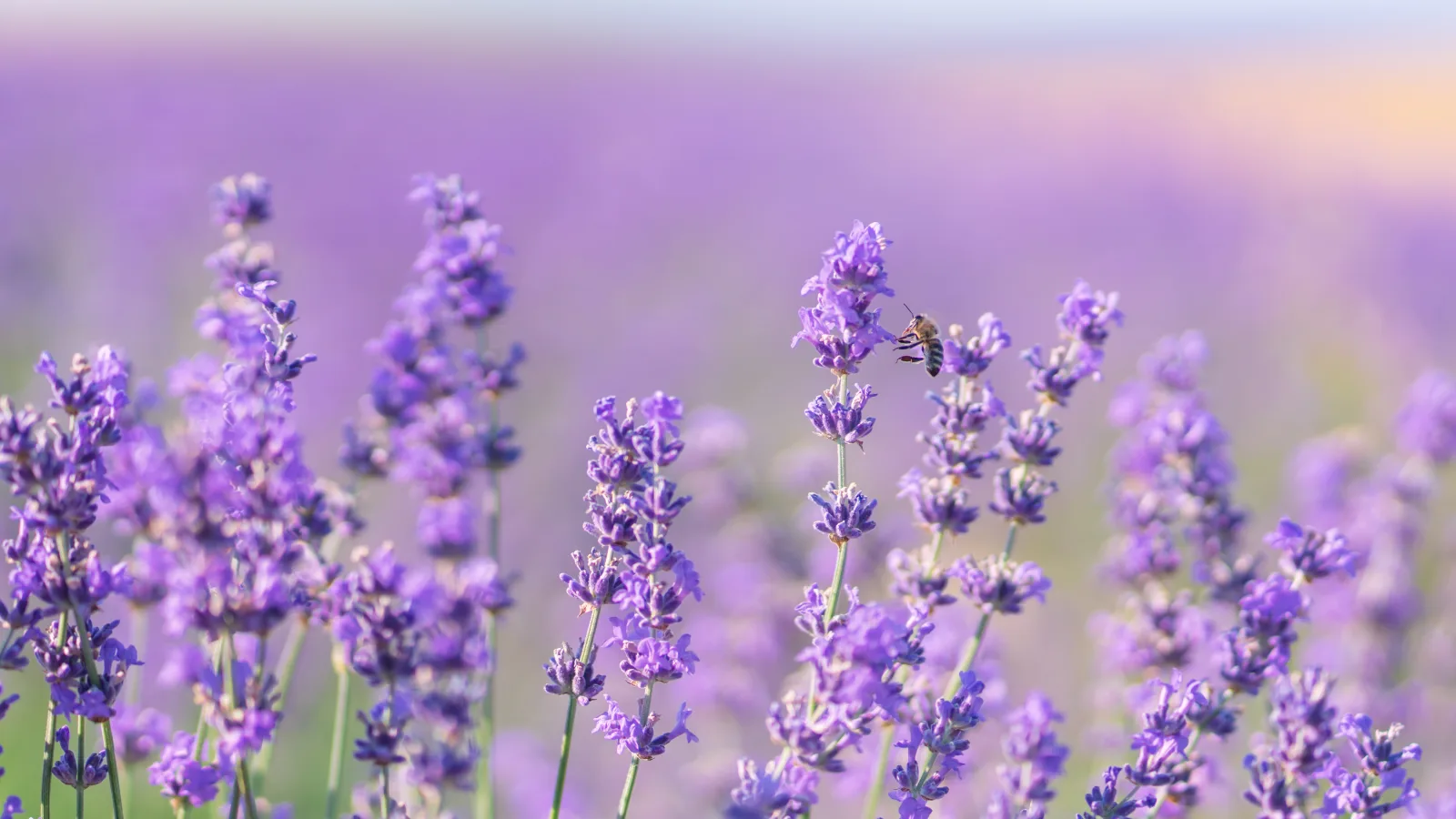
In the first year of planting lavender, the purple flower spikes come in dense and beautiful — but many gardeners worry the fragrance will fade from year two onward. It's a reasonable concern: most crops planted in the same spot season after season give diminishing returns. A six-year study conducted in China's Xinjiang region, along the Yili River valley, tells a different story when it comes to lavender.
Six Years in the Same Bed
The Yili River valley is China's largest lavender-growing region. Researchers selected three representative farms and compared plots that had been growing lavender continuously for one, three, and six years, side by side. The results were not what anyone expected. Fields in their sixth consecutive year of lavender produced roughly 38 percent more essential oil than first-year plots. Far from declining, yields had grown steadily the longer lavender stayed in the same ground.
The Fragrance Profile Didn't Change
Higher yields are meaningless if the scent gets diluted. Researchers carefully measured the ratios of linalool and linalyl acetate — the two compounds responsible for lavender's signature sweet, calming fragrance — in oils from both the six-year and one-year plots. The numbers were essentially identical. More oil, yes, but the aromatic profile was unchanged.
A Shift in the Soil Microbiome
The team traced the improved yields to the interplay between soil, microbes, and plant. As lavender puts down roots in the same ground year after year, the microbial community shifts: carbon is metabolized more efficiently, and relatively more nitrogen stays available in the soil. Together, those two conditions appear to encourage the plant to produce more of its aromatic compounds. In that sense, lavender is a meaningful exception to the common wisdom that continuous cropping wears soil out.
There is a long-term caution, though. After six years, the soil microbial community tended to become less diverse and less interconnected. Even if yields look good in the short term, a simplified soil ecology can lead to declining productivity down the road. The researchers recommend rotating to a different crop after three to five consecutive years of lavender.
Growing Lavender for the Long Haul
Lavender loves full sun and excellent drainage. Once established, it will thrive in the same spot for three to five years — and within that window, the fragrance deepens with each passing season. Past five years, consider rotating that bed to another herb or vegetable. During heavy summer rains, watch drainage carefully: slightly raised beds or coarse sand worked into the soil will keep roots healthy for years. Lavender prefers near-neutral soil, so if your ground runs acidic, work in a little garden lime before planting.
Harvest when roughly half the flower spikes have opened. Cut stems just after the morning dew has dried and hang them upside down in a shaded spot — the fragrance will hold far longer that way.
After you bring in this summer's harvest, go ahead and plan to let lavender return to that same bed next year. This research confirms what experienced growers have long sensed: staying put doesn't weaken lavender's scent — it deepens it.
Source · Frontiers in Plant Science, 2026 — Effects of continuous lavender cultivation on essential oil yield and quality