Not many people set a handful of crown daisy greens on the lunch table and think about their gums. The common assumption is that gum health is a matter of brushing and flossing. But a clinical study now suggests that what you eat, and how much, also shapes the condition of your gums. For anyone who enjoys homegrown vegetables, that's welcome news.
Gum Disease Doesn't Stay in the Mouth
Gum disease begins when oral bacteria irritate the gum tissue. Early on, it may amount to little more than swelling and bleeding, but left unchecked over time, it can damage even the bone that anchors the teeth.
Brushing certainly matters for healthy gums, but your overall health plays a direct role in gum inflammation as well. Studies have repeatedly reported that people with diabetes experience gum disease more often, and that those with severe gum inflammation have higher rates of cardiovascular disease. Your gums are part of the body's overall inflammatory picture.
This is why periodontists don't view gum disease as a purely oral problem. Because chronic inflammation that starts in the mouth can affect the whole body, oral health is treated as one piece of managing your general health.
Cutting Calories Lowers Gum Inflammation
In one clinical study, participants who followed a low-calorie, fasting-style diet showed a marked drop in markers of gum inflammation. The research points to the possibility that a change in diet alone can shift the state of your gums.
The researchers explain that cutting calories dampens the body's inflammatory response overall, and that this change shows up in the gum tissue as well. This doesn't mean diet cures gum disease. But the evidence is slowly growing that, alongside good oral hygiene, paying attention to your eating habits supports gum health.
How to Lighten Up the Garden Table
Eating light doesn't call for some elaborate program. The idea is simply to cut back on refined carbohydrates and sugar while giving vegetables a bigger share of the plate.
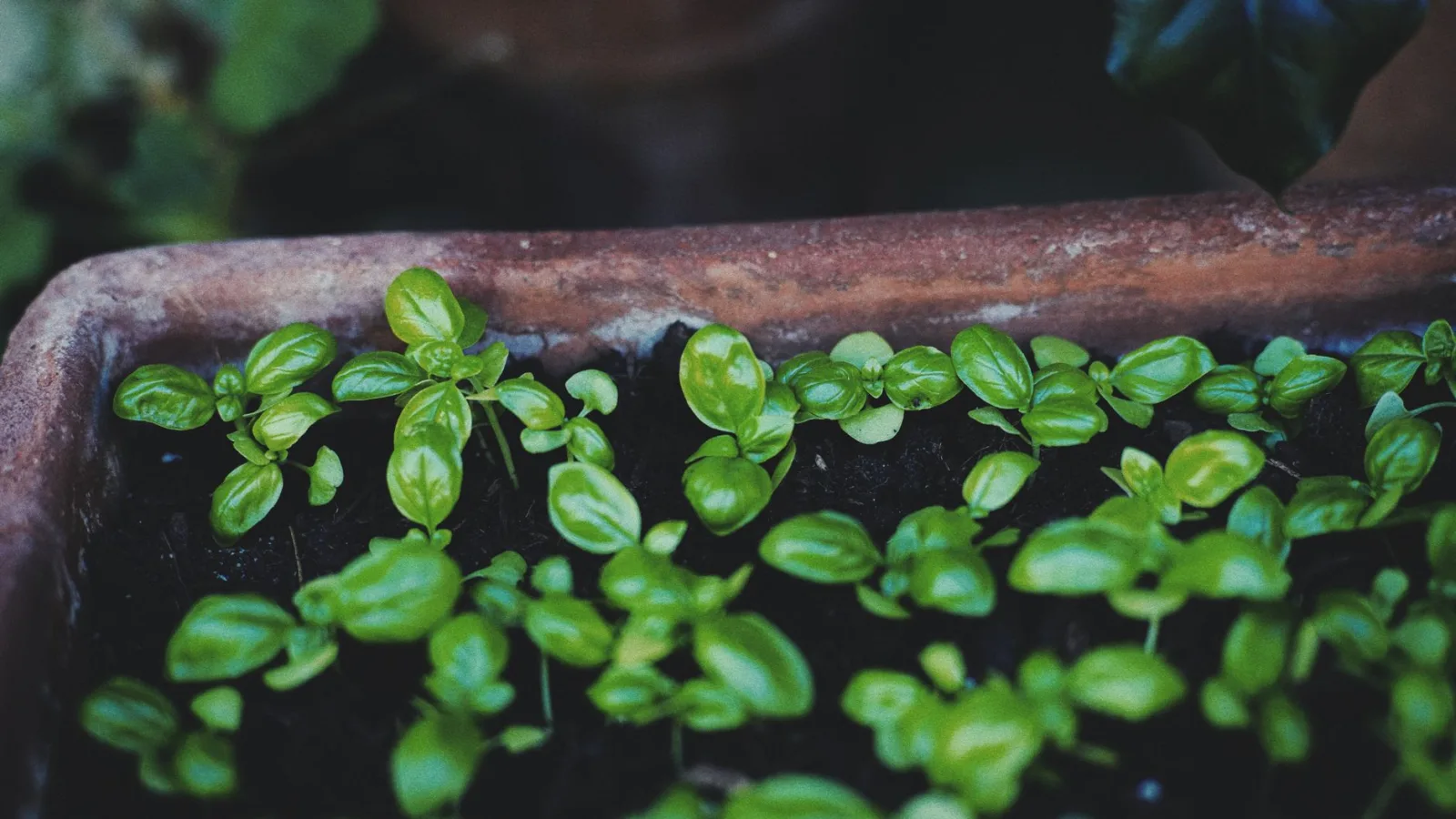
Leafy greens from the garden fit this approach well. Lettuce, crown daisy (ssukgat), Swiss chard, and chicory are low in calories yet rich in fiber. Chewing leafy greens thoroughly gets your saliva flowing, and saliva helps regulate acidity in the mouth and keep bacteria in check. You cut calories and tidy up your oral environment at the same time.
Vegetables high in vitamin C help your gums, too. Chili peppers, bell peppers, and broccoli supply what your body needs to build the collagen that makes up gum tissue. Eating homegrown vegetables raw or lightly cooked keeps nutrient loss to a minimum.
Tonight, take one spoonful of rice off your plate and add a dish of leafy greens fresh from the garden. A diet can't stand in for treating gum disease, but lightening your table a little can become a habit that supports healthy gums.
Reference: study published in the Journal of Clinical Periodontology