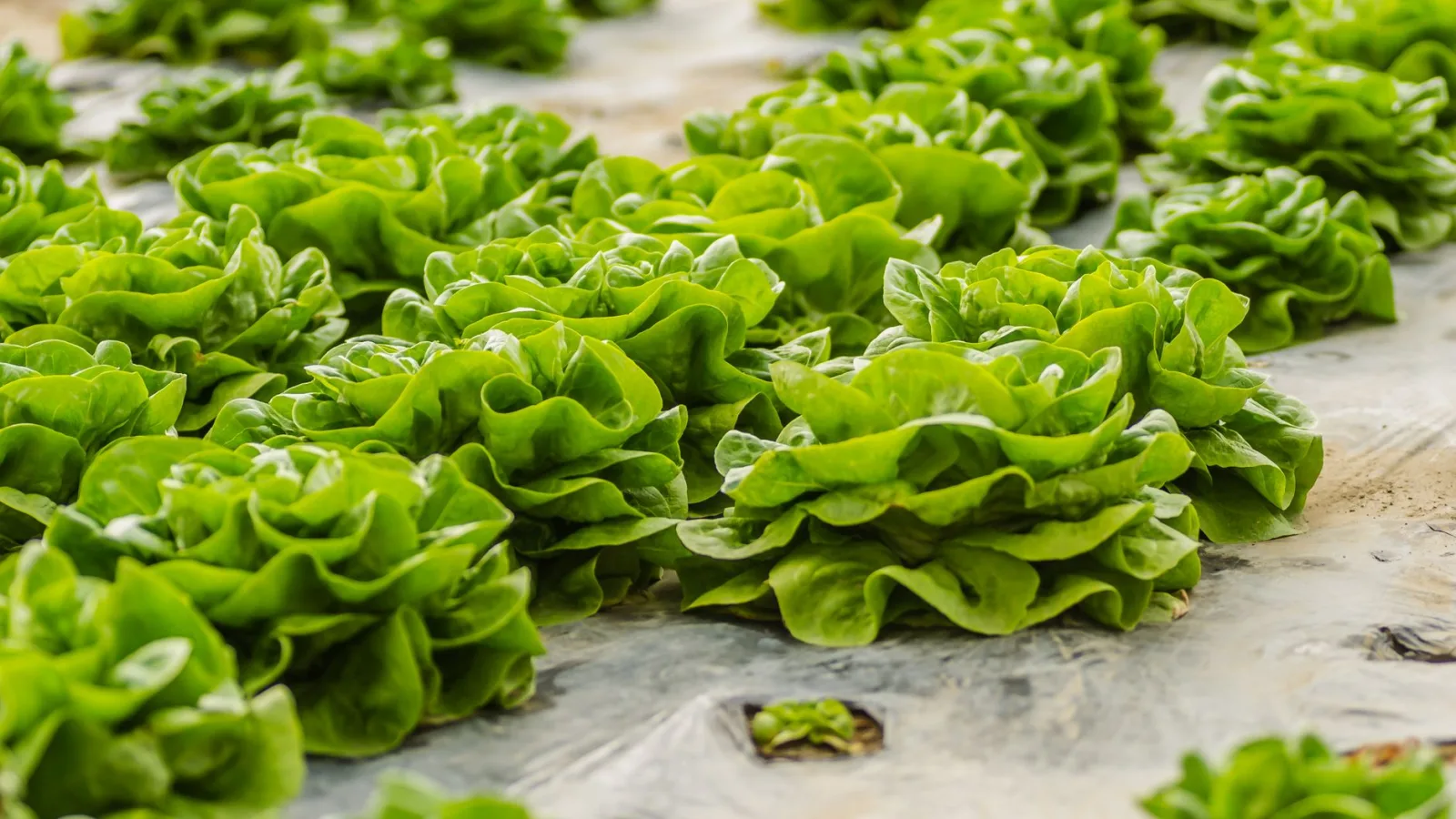
In a corner of the balcony, young lettuce grows without a speck of soil, its roots reaching into water and growing medium. More and more people are raising leafy greens hydroponically at home. The water stays clear, there are fewer bugs, and the whole setup asks less of you. But when you pick a fresh leaf to wrap around a bite of rice for ssam, the Korean lettuce wrap, one question tends to surface. If there's no soil, does the worry about foodborne bacteria go away too? A study that spent a long stretch watching a soilless indoor farm offers a useful answer.
Salmonella Turns Up in the Tank Now and Then
Raising leafy greens in water and medium instead of soil is called controlled-environment farming. Because temperature, water, and nutrients are managed indoors, the crop is less at the mercy of the seasons and sees fewer pests. A research team monitored one such farm for a year and a half. They gathered 178 samples, from work surfaces, growing medium, and irrigation water to greens before and after harvest, and tested each for Salmonella.
Detections were rare. Only 2.8% of samples tested positive, and every one of those came from the first of three sampling rounds. The positives turned up in the stored water and nutrient solution in the tank, plus a single head of lettuce nearing harvest. When the researchers sequenced the bacteria's genomes, the strain from the water and the strain from the lettuce belonged to different lineages. In other words, the bacteria hadn't settled in one spot and spread from there. These were chance contaminations that arrived by separate routes.
It Can't Grow in the Water, but It Holds On to the Leaves
The two strains behaved much alike. Neither could multiply in the irrigation water, and their numbers dropped as time went on. The water, it turned out, was not an environment that fed the bacteria.
On young lettuce leaves, though, the story shifted a little. Bacteria that landed on the leaves didn't disappear right away. They survived for a while, then faded gradually. They lasted longer on the leaves than in the water. The folds and moisture on a leaf's surface seem to give bacteria a comfortable place to linger. And since baby greens are usually eaten raw rather than cooked, whatever remains on the leaf goes straight into our mouths. So the thing that truly deserves attention is not the tank itself so much as the path by which bacteria travel through the water, reach the leaves, and stay there.
It Comes Down to Water Care and Washing
The team also tested disinfection. At 1 mg of chlorine per liter of water, both strains were still detectable. Raising the dose to 5 mg brought a rapid decline, and no culturable bacteria could be recovered. The lesson: even when you disinfect, the concentration has to be high enough to do the job.
The same principle holds for home hydroponics. Keep these habits in mind.
- Don't let water sit in the reservoir for long. Empty it regularly and rinse it out thoroughly, all the way to the inside walls.
- Change the nutrient solution and water before it turns cloudy or starts to smell.
- Wash your hands and any tools before they touch the reservoir.
- Keep the reservoir in the shade, away from direct sunlight, to cut down on algae and bacteria.
- Rinse harvested greens several times under running water. Pat any leftovers dry and store them in the refrigerator.
Even when Salmonella does show up at an indoor farm from time to time, it's rarely a bacterium that has made itself at home. More often it's a one-off contamination that slipped in from outside. Keeping the water clean and washing your harvest well is enough to prevent most of the risk. Today, start by emptying and rinsing your hydroponic reservoir.