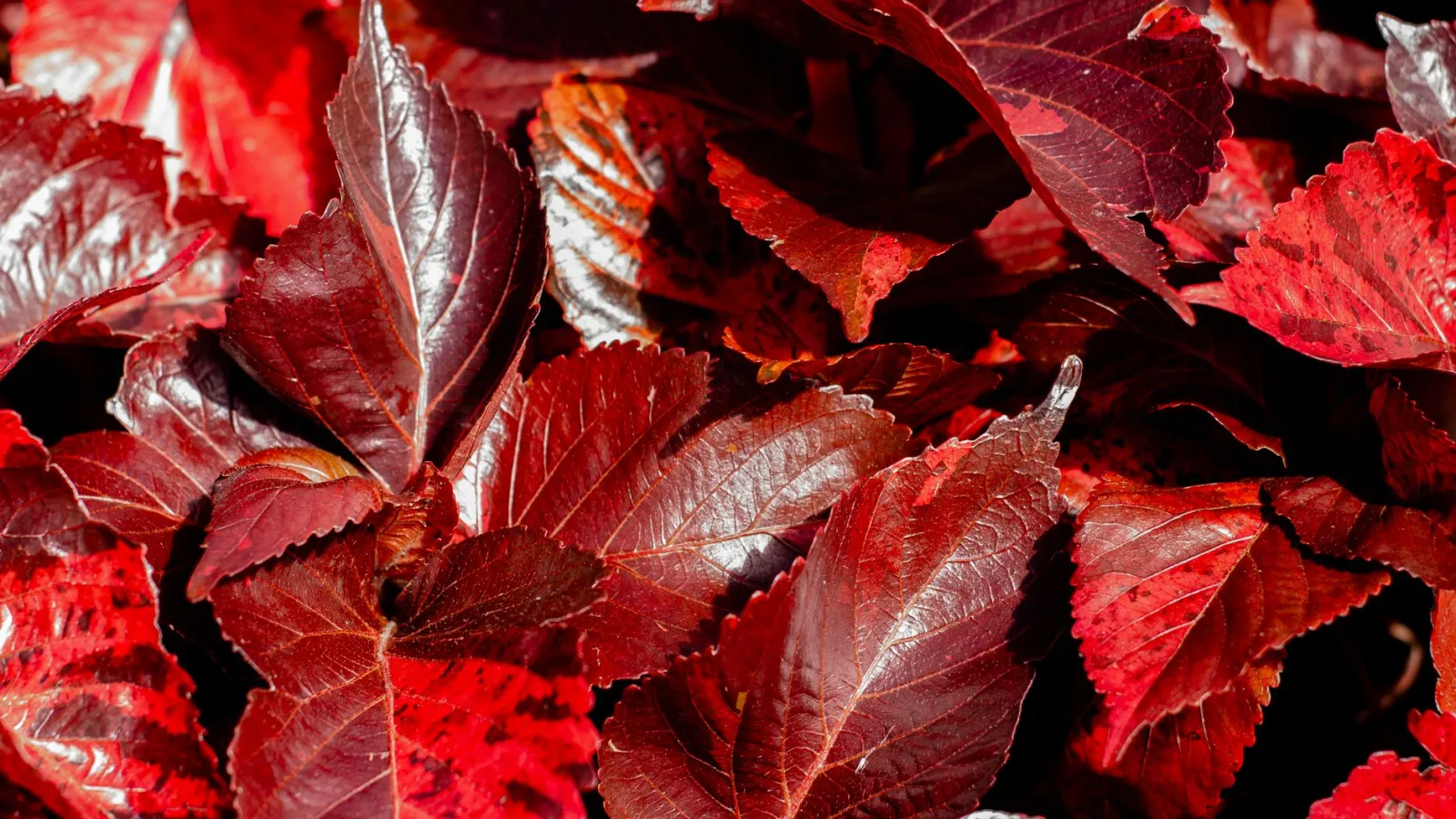
In the Northern Hemisphere, October is when perilla plants in the garden start to fade. The leaves yellow and wilt, and the seed heads on the flower stalks dry to brown. You cut the stalks, leave them in the sun for a few days, then beat them over a tarp until the tiny seeds fall loose. Toast those seeds and press them, and you have perilla oil. The oil is also what people most often ask about when they look up perilla: how much good does its omega-3 actually do?
What kind of omega-3 is in perilla oil?
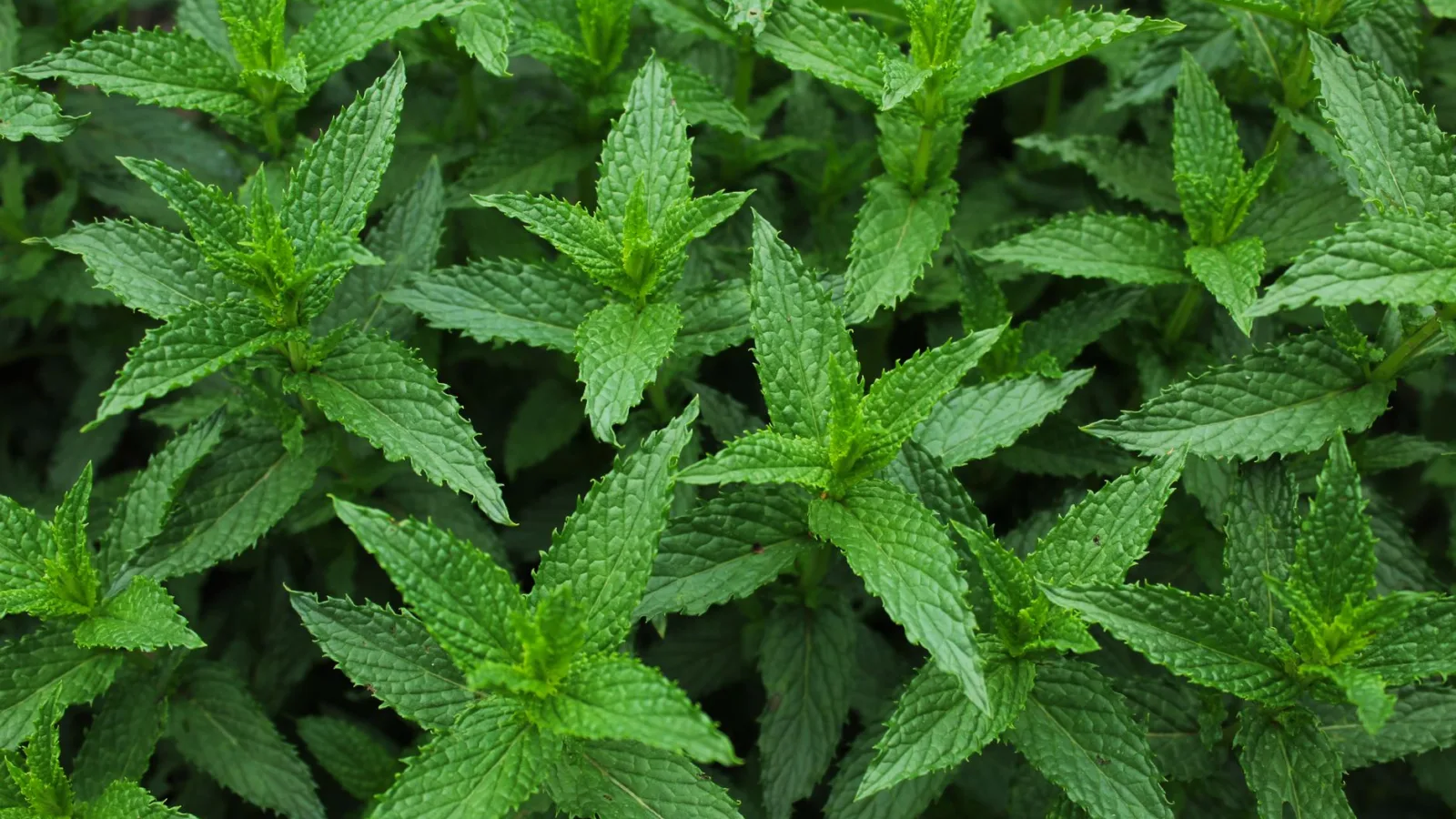
Perilla (Perilla frutescens) belongs to the mint family. Its seeds are made into oil and powder, and its leaves are eaten as kkaennip, the broad, aromatic perilla leaves used throughout Korean cooking. It's grown widely in Korea, China, Japan, and India. Oil pressed from the seeds is high in alpha-linolenic acid (ALA), the omega-3 fatty acid found in plants. Most of perilla oil's reputation as a healthy oil comes from this fatty-acid makeup.
A study that surveyed the compounds in perilla seed found rosmarinic acid and luteolin as well as ALA. Rosmarinic acid is a polyphenol common in the leaves of mint-family plants, and perilla leaves contain it too. But knowing that a compound is present is one question. What it actually does in the human body is a separate one.
Is it the same omega-3 as in fish oil?
Fish oil and perilla oil are both called omega-3 sources, but they contain different fatty acids. The oil in fish like mackerel and salmon contains EPA (eicosapentaenoic acid) and DHA (docosahexaenoic acid). Your body can turn the ALA in perilla oil into these two, but only a small share of it gets converted.
So a spoonful of perilla oil isn't the equivalent of a serving of fish. What perilla oil gives you is ALA. If you don't eat much fish, it's a good way to get more plant-based omega-3.
Research on supplements is a separate matter. Several analyses have pooled trials in which people took purified ALA supplements. Those trials involved a narrow range of participants and one particular form of intake, though, so their results don't carry over directly to drizzling perilla oil on your food. Studies measuring perilla oil's effect on markers of inflammation are still at the animal stage, and research in people is scarce. For now, the evidence lets us speak only to its fatty-acid profile.
An oil that doesn't like heat or air
ALA is a fatty acid with 18 carbon atoms and three double bonds. The more double bonds a fatty acid has, the more readily it reacts with oxygen, so perilla oil tends to oxidize faster than most cooking oils. It's also sensitive to heat. If you deep-fry with it or use it in a long stir-fry, its omega-3 content can drop and oxidation byproducts can form.
At home, smell is your best clue to oxidation. If you notice a stale, old-oil smell instead of a toasty, nutty aroma, the oil has oxidized quite a bit. It may feel wasteful, but it's better not to eat it.
An oil for after the heat is off
Perilla oil works best as a finishing oil, drizzled over food after the cooking is done. Here are a few ways to use it at the table today.
- When you dress namul (lightly seasoned vegetable side dishes), stir in a spoonful at the very end.
- For soups or bibimbap, drizzle it on top after you've filled the bowls.
- Use perilla oil for part of the oil in your salad dressing.
- Buy small bottles, close the cap tightly, keep it in the fridge, and finish it soon after opening.
Perilla seed powder is made from the whole ground seed, so it contains fiber along with the oil. If you add it to soups and stews just before turning off the heat, it's exposed to less heat. The leaves are eaten as ssam (leaf wraps for rice and meat) or pickled in soy sauce as jangajji. If you grow your own in the Northern Hemisphere, plant in May, pick leaves all summer, and harvest the seeds from August to October. For planting times and the plant's other compounds, see the perilla entry in the Homiclub Crop Guide.
If you take a blood thinner
Omega-3 fatty acids can affect how your blood clots. If you take an anticoagulant such as warfarin, avoid eating large amounts of perilla oil or perilla seed powder at one time. A drizzle over side dishes is generally not considered a problem. If you plan to take ALA or other omega-3 supplements as well, talk with your doctor first.
This evening, open the bottle of perilla oil in your kitchen and smell it. If it still smells nutty, drizzle a spoonful over a bowl of soup once the heat is off.
Sources: Homiclub Crop Guide, perilla entry (review of perilla seed compounds, analysis of ALA supplementation trials, animal studies on perilla oil).