Photo by D Goug on Pexels

Health

If Your Kitchen Reheats the Same Oil, Keep Tomatoes on Hand

Oxidized cooking oil, and what lycopene did during pregnancy

Yesterday's frying oil is still sitting in a little bowl beside the pan. It seems a waste to pour it out, so it goes into tomorrow's stir-fry, and gets heated again the day after that. If you're pregnant or nursing, this is a habit worth a second look.

What happens when oil is heated again and again

Heat cooking oil to high temperatures repeatedly and the fat oxidizes, producing toxic byproducts. In the body, these compounds raise levels of free radicals and damage cell membranes. During pregnancy in particular, those oxidation products can cross the placenta and reach the fetus.

In an animal study published in 2026, researchers followed the pups of mother rats fed oxidized cooking oil throughout gestation. The rate of liver cell damage in the pups was more than three times that of the control group. Hippocampal neurons — the cells involved in memory and learning — and Purkinje cells in the cerebellum were also markedly reduced in number. The researchers concluded that oxidation products in the oil the mothers ate had passed from mother to pup and affected brain and liver development.

What lycopene changed

In the same study, the pups of mothers who also received lycopene — from day one of pregnancy through the second week of nursing — looked different. Lycopene is a carotenoid antioxidant found in tomatoes and other red fruits and vegetables. In the supplemented group, liver cell damage in the pups dropped noticeably, and more hippocampal neurons and cerebellar cells survived. Expression of caspase-3, a protein that triggers cell death, was lower as well.

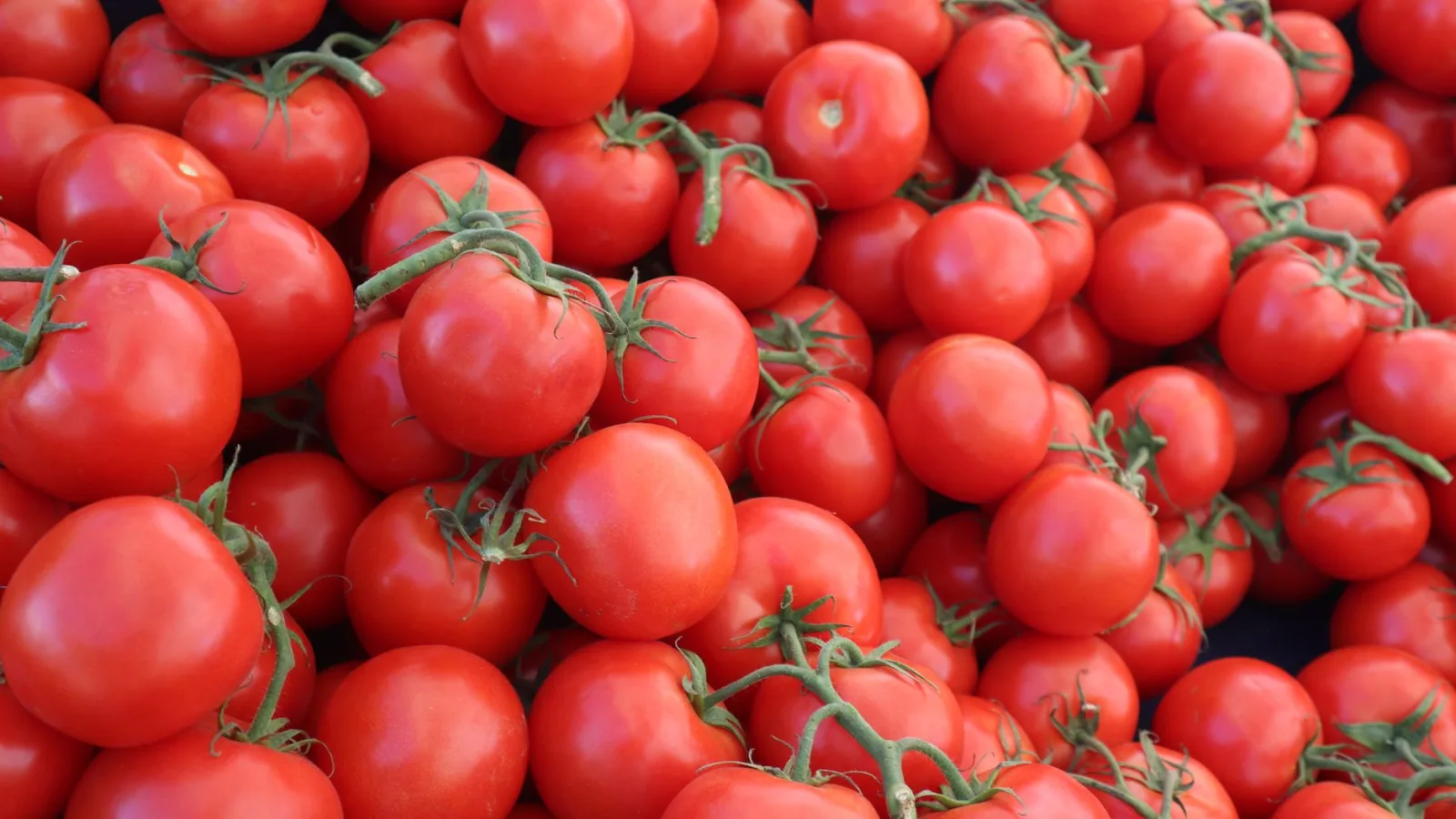
This was a rat study, so the same results can't simply be assumed to apply to people. Still, the dose the researchers scaled to human terms came out to about 2.7 milligrams of lycopene a day — roughly what you'd get from 150 grams of fresh tomatoes.

Put garden tomatoes on the pregnancy menu

Tomatoes are an easy crop for a home plot. Set out seedlings in May and you'll harvest steadily from July through September; cherry tomatoes are forgiving enough for a first-time gardener. Lycopene is absorbed better when tomatoes are cooked with fat than when they're eaten raw, so try giving them a quick sauté in a pan of olive oil, or cook down a simple tomato sauce to spoon over eggs.

Use fresh oil each time you cook, and work tomatoes into a meal or two a day. During pregnancy and nursing, that's a small daily habit that may help. Not a cure to count on — just a modest adjustment to what's on the plate.

Two tomato plants tucked into a corner of the garden are enough to make that adjustment all summer long, with fruit you grew yourself.

Share this story
0% read